Endometriosis and pelvic pain clinics
The Australian Government funds 33 Pelvic Pain and Endo Clinics through the Primary Health Networks across Australia. These are GP run clinics and don’t require a special referral to access them.
Click the button to find the clinic in your region.
-
![]()
Tips to Reduce Period and Pelvic Pain
This resource highlights a range of practical, evidence-informed strategies that can work together to help manage pain. From staying gently active, through to medications and mental health support, it shows that managing period and pelvic pain often involves a combination of self-care, professional support, and medical options, rather than a single solution
-
![]()
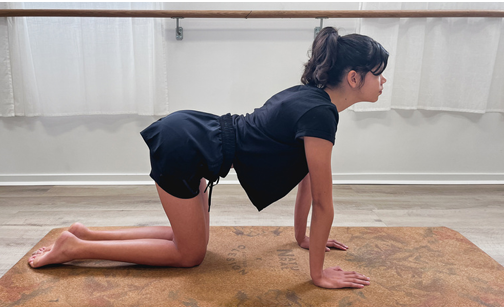
Easy Stretches Guide
Our Easy Stretches to Relax the Pelvis download has been specially designed for you by a Pelvic Physiotherapist. These stretches loosen the muscles inside and around the pelvis.
-
![]()
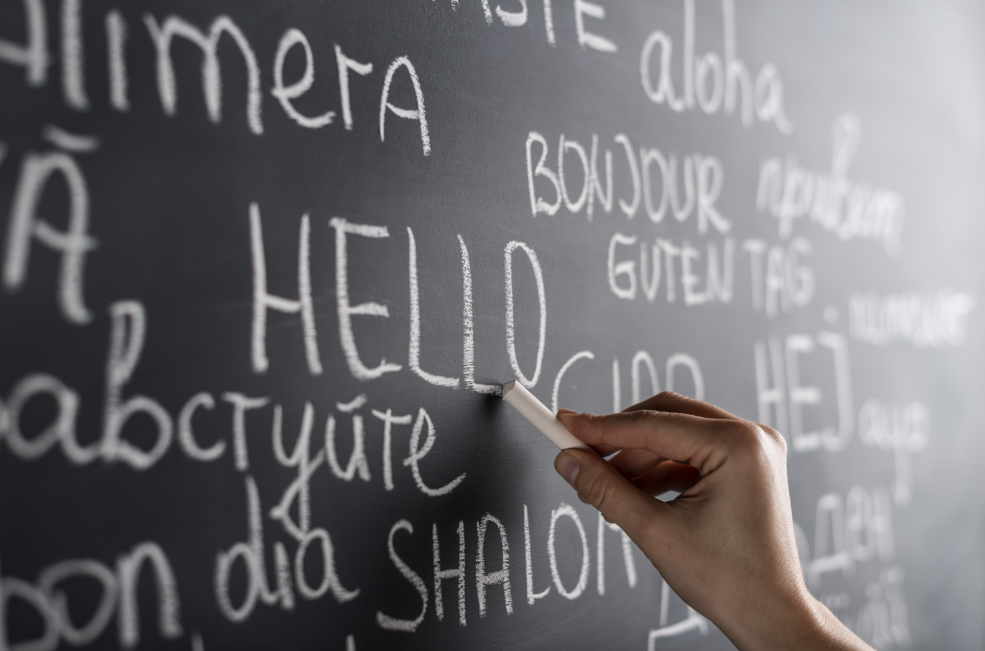
Translated resources
Our Easy Stretches Guide and Tips to Reduce Period and Pelvic Pain have been translated into 17 different languages to help non-English speaking members of our community.
-
![]()
Find a Health Professional
Our health professional subscribers have an interest in caring for patients with pelvic pain. Use the interactive map to find a practitioner in your area.
These professionals have paid a subscription fee to the Pelvic Pain Foundation of Australia for this listing and pelvic pain resources. These links do not constitute an endorsement of the Registered Health Professional, their practice or any services provided.
-
![]()
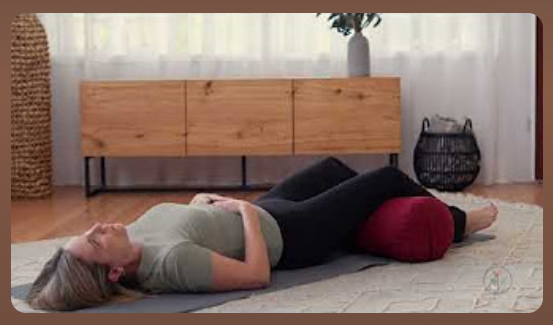
Thrive Endo Yoga for Pelvic Pain
Welcome to Thrive Endo Clinic’s Pelvic Pain Management Yoga for Pelvic Pain series. Developed by Exercise Physiologist Cherie Noble and GP Dr Alecia Macrow for Thrive Family Practice, this playlist is designed to empower individuals dealing with pelvic pain.
-
![]()
Bladder Diary
A bladder diary is a simple but very useful tool that helps you and your healthcare provider understand how your bladder is working day to day. Completing the diary for at least three consecutive days provides a more accurate picture of bladder habits, triggers, and symptoms, and can help guide diagnosis and treatment decisions for conditions such as bladder pain, urinary urgency, incontinence, or pelvic floor dysfunction
-
![]()
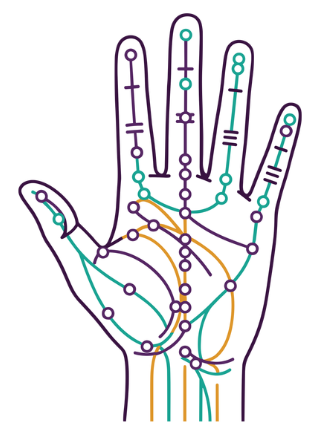
Acupressure Guide for Period and Pelvic Pain
This acupressure guide for period and pelvic pain introduces simple techniques you can safely do yourself to help manage pain and related symptoms. The guide highlights commonly used points that may help with menstrual cramps, pelvic pain, muscle tension, emotional symptoms, nausea, and sleep difficulties, and explains where to find them on the body and how to use them.
-
![]()
Questions to ask your health professional
When living with pelvic pain, finding the right practitioner is one of the most important steps you can take. Before starting any treatment, it’s essential to be well informed and to choose someone who will support not just your symptoms, but your overall health and wellbeing.
The right practitioner should work with you as a partner, help you understand your options, and provide ongoing support. Below are some points to consider and questions you may wish to ask when choosing a pelvic pain practitioner.
-
![]()
Support groups
Joining an online or in-person support group can be a valuable way to connect with others who understand pelvic pain. These groups offer shared experiences, reduce feelings of isolation, and provide a sense of community that can support emotional and mental wellbeing.
If you would like to speak with someone who has lived experience of endometriosis or pelvic pain, contact QENDO on 1800 ASKQENDO (1800 275 736).
-
![]()
Australian Coalition for Endo (ACE)
The Endometriosis Coalition is Australia’s peak body for endometriosis and pelvic pain, uniting patients, healthcare professionals, researchers, and advocacy organisations. We drive national collaboration, influence policy, and promote research investment to improve diagnosis, treatment, and support for the 1 in 7 Australians affected by endometriosis and pelvic pain.
-
![]()
EndoZone
EndoZone is an evidence-based platform co-created with people affected by endometriosis and developed in partnership with researchers, health experts, and Australia’s endometriosis associations. Funded by the Australian Government and Jean Hailes for Women’s Health, the platform brings together the expertise of General Practitioners, Allied Health Professionals, Nurse Practitioners, Gynaecologists, Researchers, Health Informaticians, and Pain Specialists. Guided by a research-led algorithm, EndoZone learns from its users—responding to their needs and tailoring information to support their endometriosis journey.
-
![]()
Our PPFA Shop
The Pelvic Pain Foundation of Australia shop offers a range of practical tools, books, and resources designed to support everyday management of pelvic pain. Each item has been selected by clinicians and educators who work closely with people experiencing period pain, endometriosis, pelvic floor muscle pain, and other persistent pelvic conditions.
Whether you are looking for practical relief, clearer information, or resources to support someone you care for, the PPFA shop provides trusted options to help you manage pelvic pain more effectively.
-
![]()
Get a Medicare Card
You can get your own Medicare card and number if you’re 15 or older and enrolled in Medicare, you’re living in Australia and you’re an Australian citizen, a New Zealand citizen or you have a permanent resident visa.
A MyGov account is needed to complete the application. Explore the requirements by clicking the link. -
![]()
Download the QENDO app
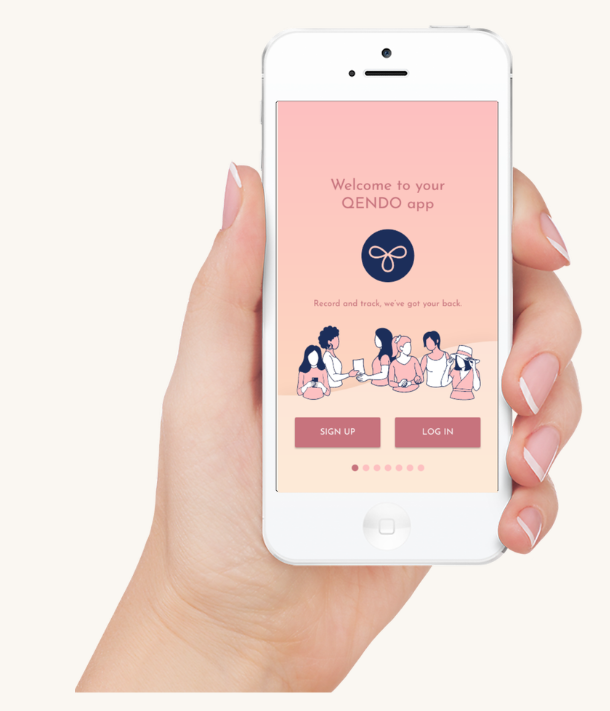
Track and journal your periods, symptoms and management strategies. Personalised to your needs with custom reporting and tracking. Available in Australia and New Zealand for Apple and Google Play.
-
![]()
Australian Living Evidence Guideline: Endometriosis
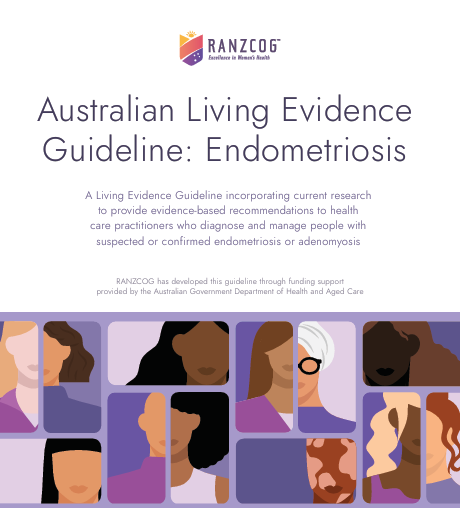
The Royal Australian and New Zealand College of Obstetricians and Gynaecologists (RANZCOG) RANZCOG has developed the Australian Living Evidence Guideline: Endometriosis; a clinical resource which provides the best available scientific evidence to assist the diagnosis and management of endometriosis. In the guideline, you’ll find more info on: Signs and symptoms associated with endometriosis, Diagnosis of endometriosis, Treatment options for endometriosis, Surgical options for endometriosis, Specific information for adolescents.
-
![]()
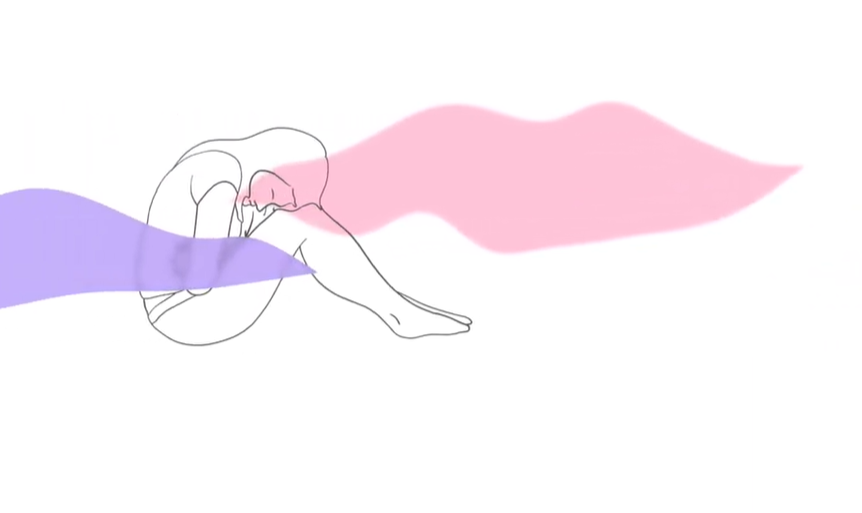
Chronic Pelvic Pain Video
This video explores the experience and cultural background of persistent pelvic pain in women, which affects one eighth of the entire world.
-
![]()
Introduction to Pelvic Pain
This booklet is a practical guide to understanding pelvic pain by helping you identify your main pattern of symptoms (for example, period pain only versus pain on most days), then directing you to the most relevant sections (bowel and bloating, bladder symptoms, painful sex, stabbing/aching pains, pudendal neuralgia, headaches, mood impacts, and chronic pain). It explains why pain can be real even when scans are normal, encourages tracking symptoms over time, and outlines why surgery can help some people (especially with endometriosis) but is often only one part of a broader pelvic pain plan.
-
![]()
Why busy seasons trigger pain flares
This article written by PPFA Vice Chair, Dr Alexandra Diggles, provides practical guidance for people living with pelvic pain and a clinical framework for health practitioners supporting them during high-load seasons.
-
![]()
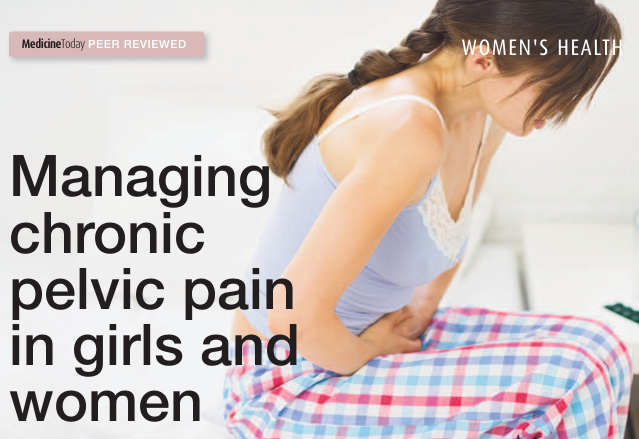
Managing chronic pelvic pain in girls and women
Women with chronic pelvic pain have often experienced pain since adolescence as well as self-doubt, which often results in difficulties in personal development, relationships and sexual confidence. The management approach outlined in this article can help to improve outcomes for these patients.
-
![]()
Tips for recovering well from laparoscopic surgery
This guide brings together practical, evidence-informed tips to support recovery from laparoscopy, with a strong focus on preparation, pain management, and realistic expectations after surgery. It highlights why recovery starts before the operation, the importance of addressing pain from multiple sources, and how to support your body physically and emotionally as it heals. The guide is designed to help people feel informed, prepared, and supported, alongside — not instead of — advice from their healthcare team.
-
![]()
Understanding pain origins
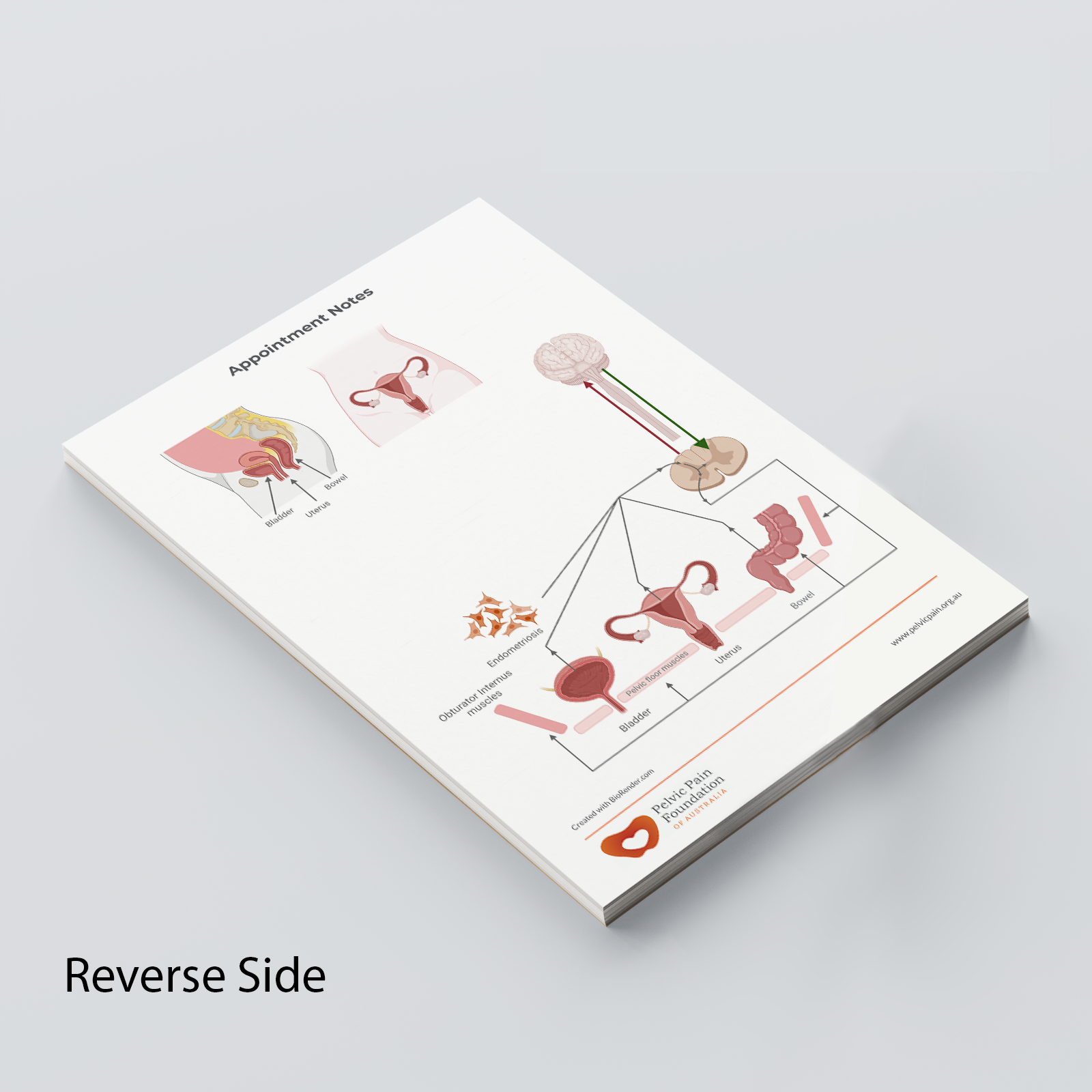
In this demonstration video, Gynaecologist and Pain Specialist A/Prof Susan Evans unpacks how pelvic pain is developed and how symptoms are connected. Watch the video at the bottom of the page that opens.
-
![]()
Medication Guides for Pelvic Pain
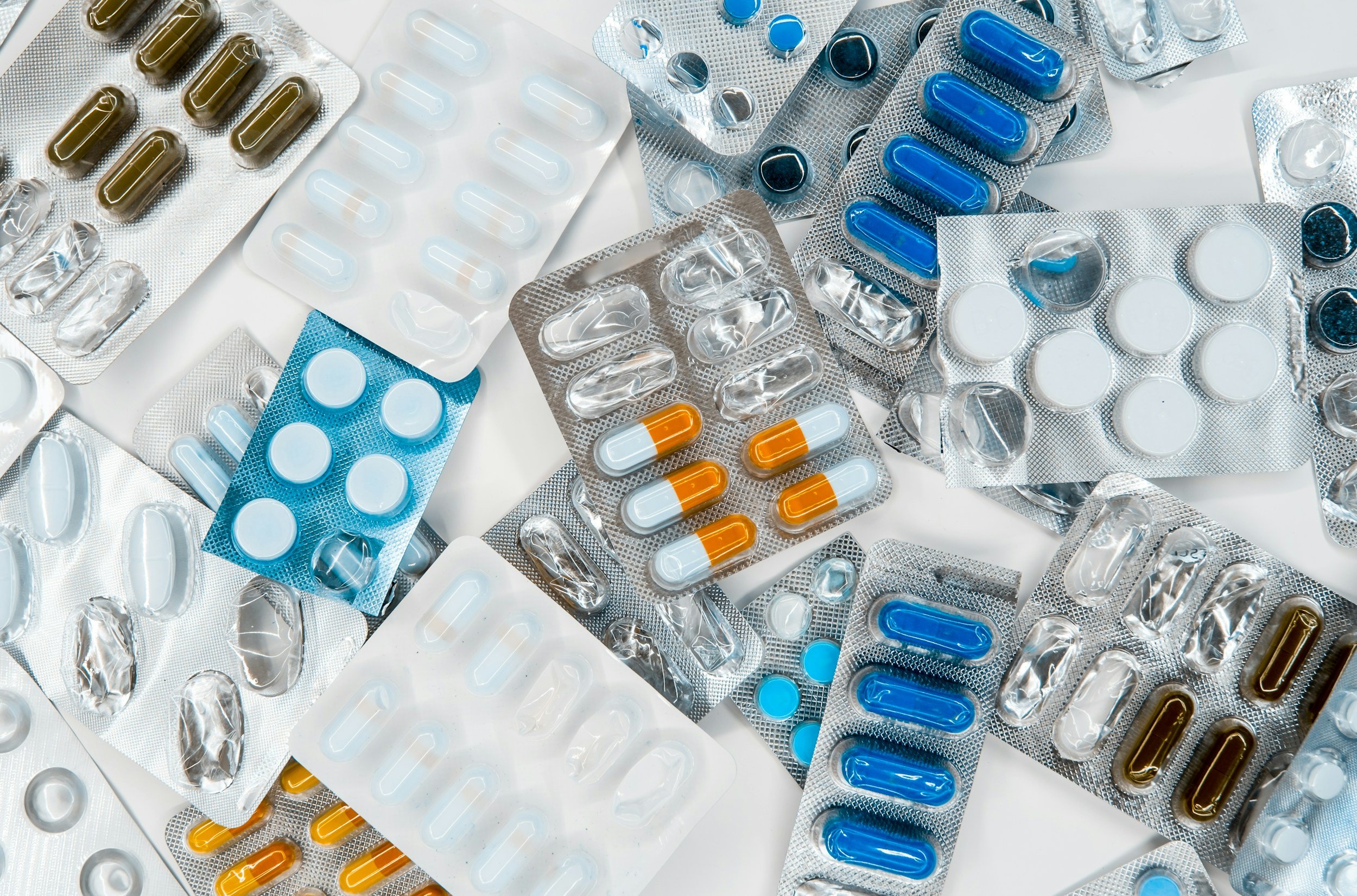
Read about some of the different medications used to treat pelvic pain.
-
![]()
Workstation Stretches
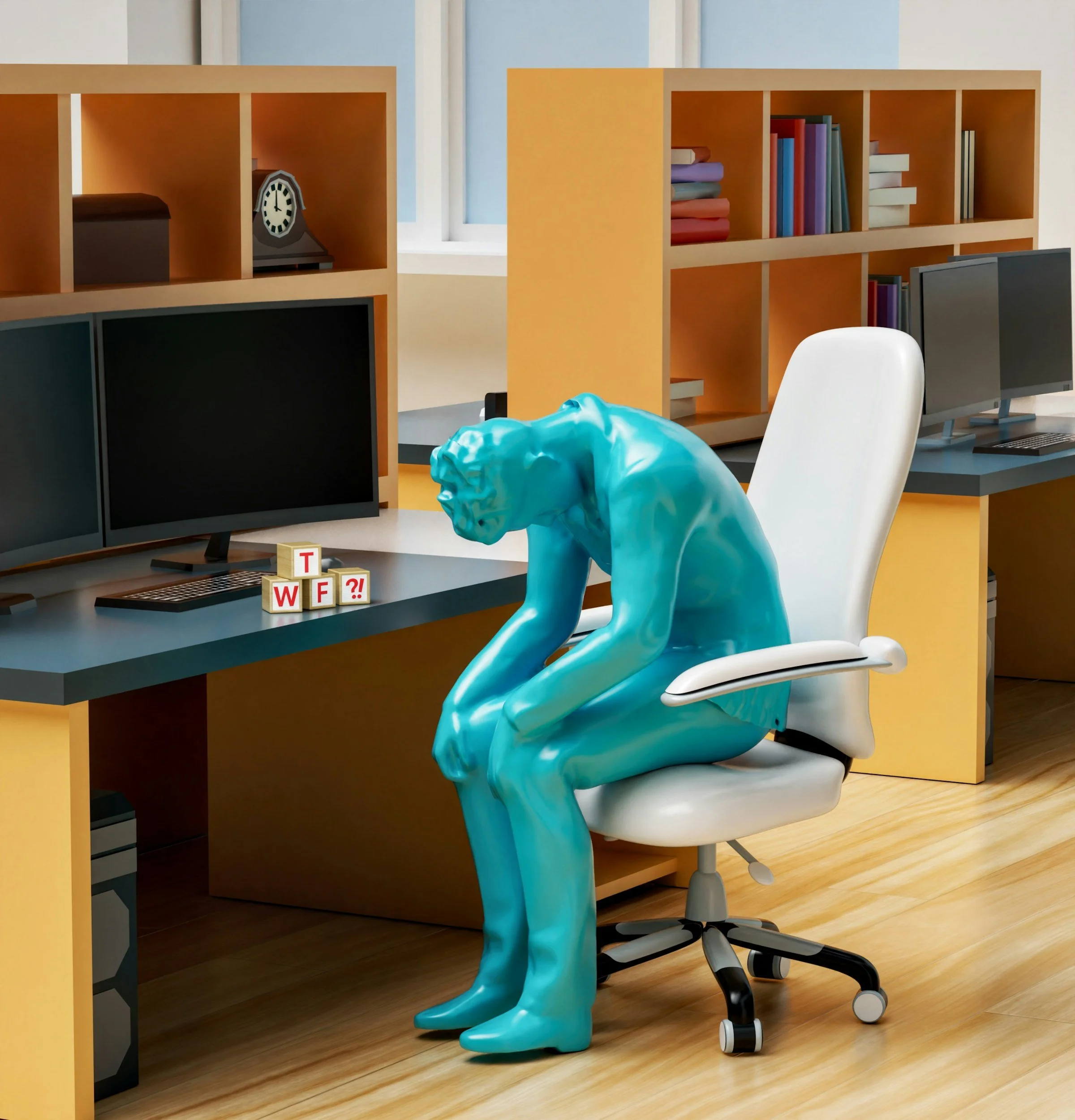
This guide shows a series of stretches you can do using a chair as support. Find a quiet zone to set yourself up in, and work towards regular movement and stretches while working.
-
![]()
Understanding and Managing Pelvic Pain
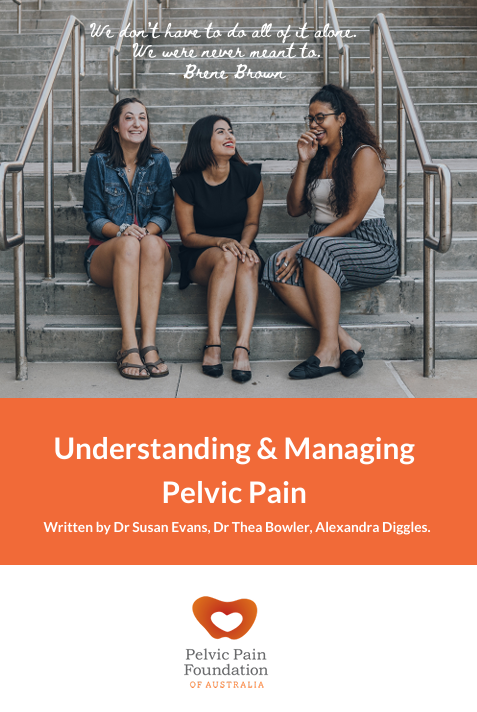
This booklet helps to explain some of the common causes and how to manage them for flares. Having a flare does not mean you’re not improving; in fact, it can mean that you are taking steps to improve your tolerance and are finding the right balance to getting back to life.
-
![]()
Understanding Pelvic Pain Video
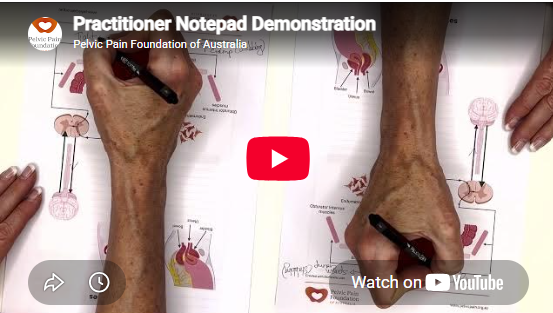
Living with pelvic pain can be confusing, frustrating, and isolating. This short video introduces a contemporary way of understanding pelvic pain through a neuroscience-informed lens, using our Practitioner Notepad to visually map a person’s pain experience alongside pelvic anatomy.