

 Image 1 of 2
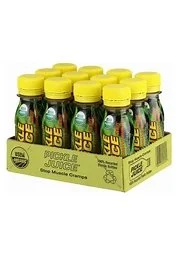 Image 2 of 2
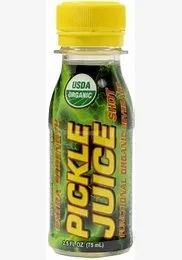
Pickle Juice Shot - A sharp, salty shot that may help some acute muscle cramps — backed by a plausible mechanism and a small but mixed evidence base. We’re not selling a miracle cure. We’re offering a simple, sour-salty option that may help some people with sudden muscle cramps, especially in sport or after exertion. Early research suggests pickle juice can act quickly, and the proposed mechanism is a mouth/throat nerve reflex triggered by acidic taste — not instant correction of dehydration or electrolytes. The evidence is promising but mixed. One well-known study found pickle juice shortened electrically induced cramp duration faster than water, while a later small study found no statistically significant difference between pickle juice and water for cramp duration or discomfort. A separate randomized trial in people with cirrhosis found pickle juice reduced cramp severity, but did not significantly change the proportion of days without cramps.
Why people reach for pickle juice
May help some acute muscle cramps
Thought to work via a rapid neuromuscular reflex
Convenient small-shot format
Best framed as an occasional cramp-response option, not a cure or prevention strategy
What the science says
A 2010 study on electrically induced cramps found pickle juice relieved cramps faster than water, with effects appearing too quickly to be explained by fluid or electrolyte replacement. That is why many experts think the benefit, when it happens, comes from sensory receptors in the mouth and throat rather than from “replenishing sodium fast.” A randomized controlled trial in patients with cirrhosis found that pickle juice was associated with a significant reduction in cramp severity compared with tap water, but no significant change in the proportion of days participants went without cramps. That supports cautious, measured wording like “may help reduce severity” rather than “prevents cramps.”
How to use
Take a small shot at the onset of a cramp. Research protocols have used about 1 mL per kg body weight, and the cirrhosis trial used 1 tablespoon or a small sip at cramp onset. Best used as an in-the-moment option, rather than a daily health tonic.
Important notes
Pickle juice is not a substitute for water, broader hydration, or medical treatment. It is also relatively high in sodium and acidic. One consumer health review notes that 8 ounces contains about 35% of daily sodium value, which is one reason this is better positioned as a small shot, not a beverage to drink freely.
It may not suit everyone, especially people with sodium-restricted diets, reflux, sensitive stomachs, or other conditions where high-salt or acidic products are unsuitable. Individual response will vary. Some early studies suggest pickle juice may help relieve certain muscle cramps, but the evidence is limited and mixed. Individual responses vary. This product is not intended to diagnose, treat, cure or prevent any disease, and it should not replace hydration, prescribed treatment, or medical advice.
Pickle Juice Shot - A sharp, salty shot that may help some acute muscle cramps — backed by a plausible mechanism and a small but mixed evidence base. We’re not selling a miracle cure. We’re offering a simple, sour-salty option that may help some people with sudden muscle cramps, especially in sport or after exertion. Early research suggests pickle juice can act quickly, and the proposed mechanism is a mouth/throat nerve reflex triggered by acidic taste — not instant correction of dehydration or electrolytes. The evidence is promising but mixed. One well-known study found pickle juice shortened electrically induced cramp duration faster than water, while a later small study found no statistically significant difference between pickle juice and water for cramp duration or discomfort. A separate randomized trial in people with cirrhosis found pickle juice reduced cramp severity, but did not significantly change the proportion of days without cramps.
Why people reach for pickle juice
May help some acute muscle cramps
Thought to work via a rapid neuromuscular reflex
Convenient small-shot format
Best framed as an occasional cramp-response option, not a cure or prevention strategy
What the science says
A 2010 study on electrically induced cramps found pickle juice relieved cramps faster than water, with effects appearing too quickly to be explained by fluid or electrolyte replacement. That is why many experts think the benefit, when it happens, comes from sensory receptors in the mouth and throat rather than from “replenishing sodium fast.” A randomized controlled trial in patients with cirrhosis found that pickle juice was associated with a significant reduction in cramp severity compared with tap water, but no significant change in the proportion of days participants went without cramps. That supports cautious, measured wording like “may help reduce severity” rather than “prevents cramps.”
How to use
Take a small shot at the onset of a cramp. Research protocols have used about 1 mL per kg body weight, and the cirrhosis trial used 1 tablespoon or a small sip at cramp onset. Best used as an in-the-moment option, rather than a daily health tonic.
Important notes
Pickle juice is not a substitute for water, broader hydration, or medical treatment. It is also relatively high in sodium and acidic. One consumer health review notes that 8 ounces contains about 35% of daily sodium value, which is one reason this is better positioned as a small shot, not a beverage to drink freely.
It may not suit everyone, especially people with sodium-restricted diets, reflux, sensitive stomachs, or other conditions where high-salt or acidic products are unsuitable. Individual response will vary. Some early studies suggest pickle juice may help relieve certain muscle cramps, but the evidence is limited and mixed. Individual responses vary. This product is not intended to diagnose, treat, cure or prevent any disease, and it should not replace hydration, prescribed treatment, or medical advice.