Understanding your period
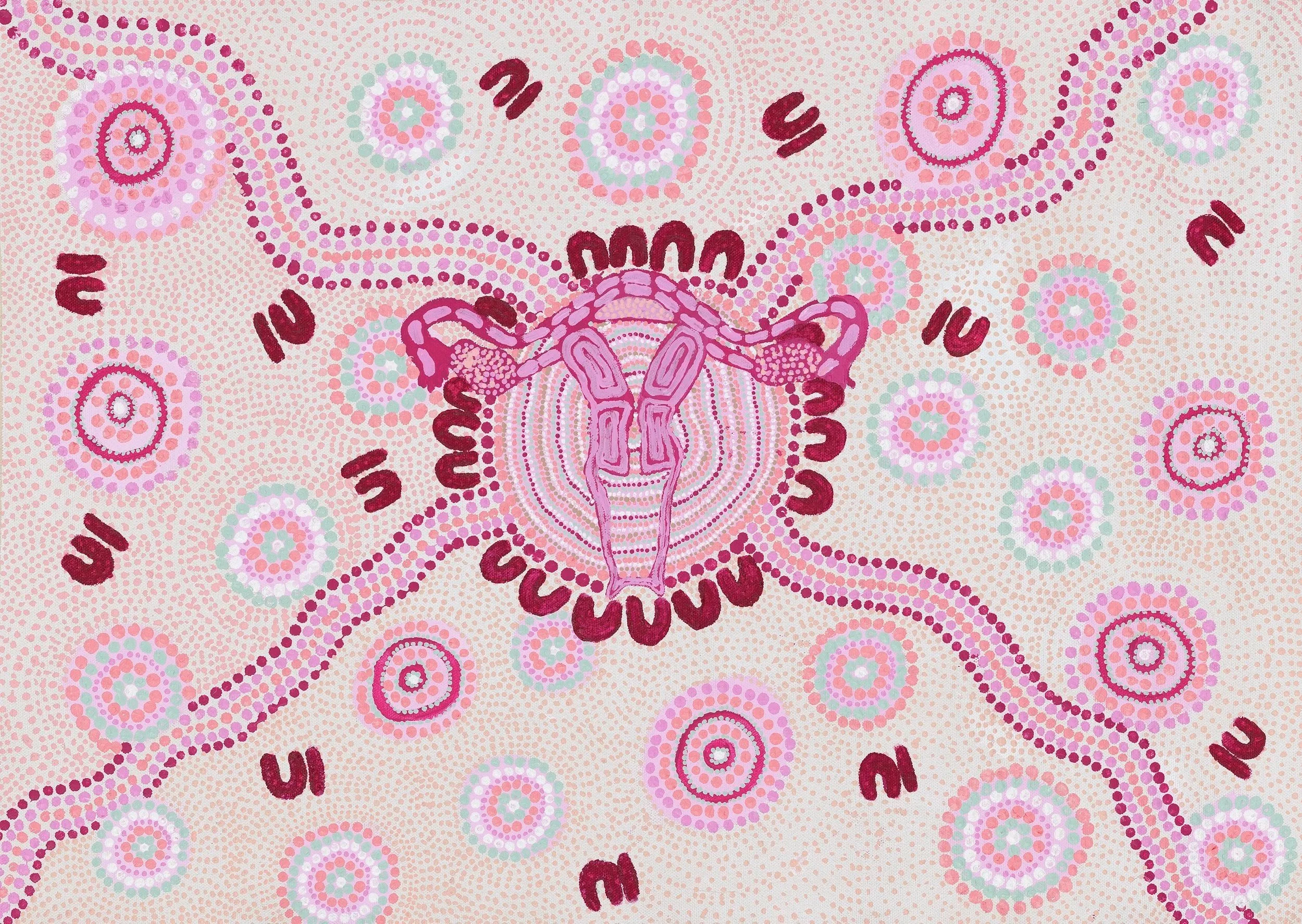
Think of the menstrual cycle as your body’s monthly prepare-the-nest plan. Most months your brain and ovaries work together to grow an egg, build a soft lining inside the uterus (womb), and then (if pregnancy does not happen) shed that lining as a period.
(**We know you are far more interesting than your ability to have babies. Not everyone who is assigned female at birth wants children or can have children. This information is here to help you understand your body — it doesn’t say anything about your choices or your future.)
What is normal when you start your period?
Day 1 of your cycle is the first day you start bleeding (your period).
Cycle length is counted from day 1 of bleeding to the day before the next period starts.
Many adults average around 28 days, but teens often have longer or more variable cycles.
It can take up to about 3 years after your first period for cycles to become more regular.
Bleeding commonly lasts 3 to 7 days.
The key hormones
Hormones are chemical messengers. Your brain and ovaries send hormones back and forth to run the cycle.
GnRH (from the brain) starts the signal.
FSH (from the pituitary gland) helps follicles in the ovary grow.
LH (from the pituitary gland) triggers ovulation (egg release).
Oestrogen (from the ovary) helps the uterine lining build up and can affect energy and mood.
Progesterone (from the ovary, after ovulation) supports the lining and often drives premenstrual symptoms when it rises and falls.
Hormones, energy and mood
Hormones do more than control bleeding - they can also affect energy, sleep, concentration, and mood. Not everyone notices changes, but many people recognise a pattern over time.
The hormone pattern at a glance
Cycle length is often around 28 days. In adults it is usually 21 to 35 days, and in teens it can be longer or more variable.
Menstrual phase: bleeding is commonly 1 to 7 days. Oestrogen and progesterone are low.
Follicular phase: oestrogen starts to rise as an egg matures inside the ovary.
Ovulation: often happens about 14 days before the next bleed. A peak in oestrogen triggers a surge of LH to release the egg. Some people also get a small testosterone peak around this time.
Luteal phase: progesterone increases after ovulation (made by the corpus luteum). If you do not ovulate that month (which can be common in early teen years), progesterone may not rise much. Towards the end of the cycle, hormone levels drop, which can trigger PMS-type symptoms and the next period.
The cycle in four phases
-
Phase 1: Period (menstruation) - Reset and clean-up
What is happening: The uterus lining sheds and comes out as blood and tissue.
Hormones: Oestrogen and progesterone are low because the lining is not needed this month.
What you might notice: It is common to feel more tired, crampy, or a bit flat or irritable. Some people feel relief once bleeding starts. Prioritise sleep, fluids, and gentle movement.
-
Phase 2: Follicular phase - Build up
What is happening: In the ovary, follicles start growing; usually one becomes the lead follicle. The uterus lining begins thickening again.
Hormones: FSH supports follicle growth. Oestrogen rises as the egg matures and the lining rebuilds.
What you might notice: Many people notice steadier mood, clearer thinking, more concentration and improving energy. Skin may look clearer for some.
-
Phase 3: Ovulation - Release
What is happening: The ovary releases the mature egg. This often happens about mid-cycle, but timing varies (especially in teens).
Hormones: A rise in oestrogen triggers a surge of LH, which sets ovulation off.
What you might notice: Some people feel higher energy, more confidence, more sociable and more motivation. Others notice nothing. Pregnancy is most likely around this time if sex occurs without contraception (although that’s not an indication to have unprotected sex unless you are trying to fall pregnant).
-
Phase 4: Luteal phase - Maintain, then decide
What is happening: After ovulation, the empty follicle becomes the corpus luteum and supports the lining. If pregnancy does not happen, hormone levels fall and the next period starts.
Hormones: Progesterone rises (and some oestrogen), then both fall if there is no pregnancy.
What you might notice: This is when PMS-type symptoms can happen: sleepiness, mood changes, bloating, headaches, tender breasts, acne, and feeling more sensitive to stress. Prostaglandins near the end can contribute to cramps.
Tracking your cycle
Tracking helps you learn what is typical for you and makes it easier to get help if something changes.
For 2 to 3 months, note: (1) bleeding days and (2) your main symptoms (pain, mood, energy, headaches, skin).
If you want to estimate ovulation, body signs can include changes in discharge and a brief mid-cycle twinge, but these are not reliable contraception.
If you are sexually active or thinking about it, talk to a GP or sexual health clinic about contraception and STI testing.
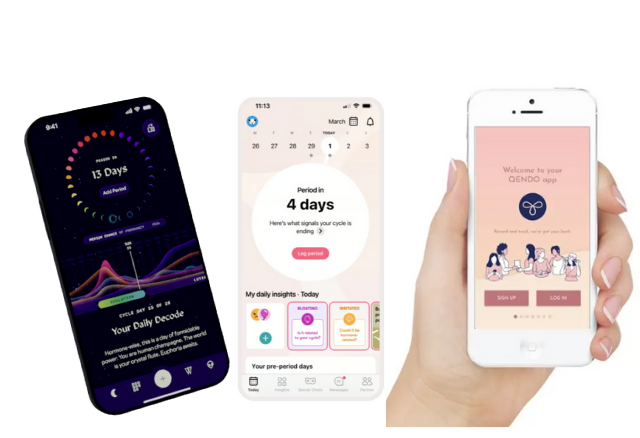
You can do this old school and keep a record in a diary, phone notes or on a calendar, or you can try one of the many tracking apps, including QENDO, Phendo, Endometrix, Clue, Flo or Stardust.
What is normal period pain?
Period pain should be considered normal if:
The pain is only there on the first 1 or 2 days of your period, and,
It goes away if you use the Pill or take period pain medications; and
If not, it is not normal.
Please make an appointment with your GP if any of these are happening:
Periods last more than 8 days, or bleeding is very heavy (for example, soaking through a pad or tampon in under 2 hours).
Periods are less than 21 days apart, or you go more than about 2 to 3 months without a period once you are further along from your first period.
Bleeding happens between periods, or after sexual intercourse.
Pain is strong enough to stop you going to school, sport, or sleep, or you have severe nausea or vomiting with pain.
You feel faint, very tired, or short of breath (possible anaemia), or you are worried for any reason.
Read our article on Tips for Parents when their teen has pain.