Sign up to view this video
Join Now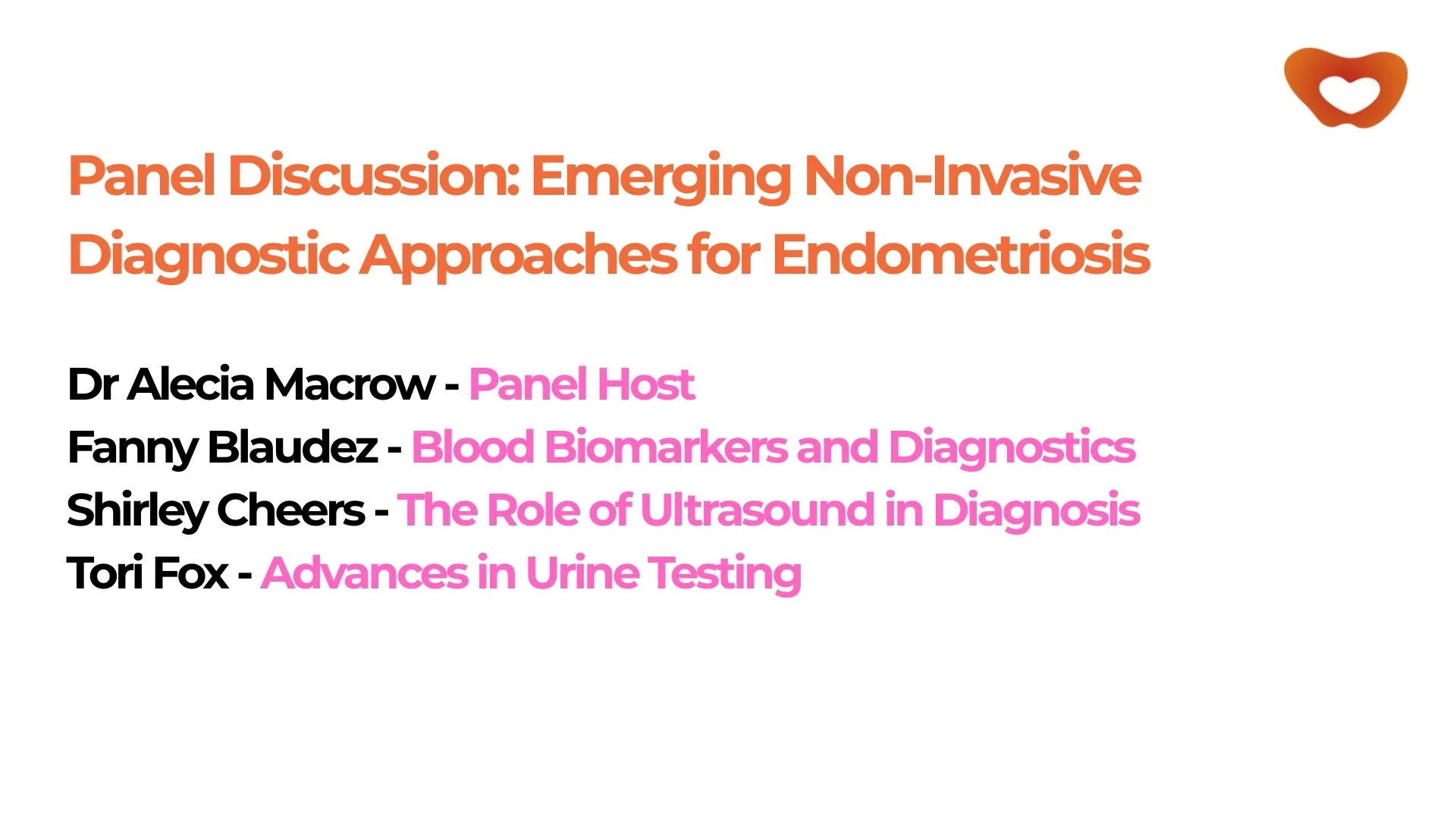
Panel Discussion: A comparison of pre-laparoscopic testing (non-invasive) for endometriosis
Alecia Macrow - interviewer
Alecia is a GP, educator and practice owner, and the founder and Medical Director of Thrive Family Practice, where she leads an award-winning multidisciplinary model of care and Thrive's Endometriosis and Persistent Pelvic Pain Program. She is also Medical Advisor to the Pelvic Pain Foundation of Australia and hosts the Endo Untangled podcast. She is very good at turning complex evidence into something you can actually use in clinic on Monday morning.
Shirley Cheers (ultrasound)
Shirley is an Accredited Medical Sonographer with a specialist interest in obstetrics and gynaecology. She began her training in South Africa, completed her degree in the United Kingdom, and has spent the past twenty-five years building her career here across the private, public and commercial sectors. She is now Lead Sonographer at Haven Ultrasound, with a particular interest in how ultrasound findings line up with what is actually found at laparoscopy and a real commitment to teaching the next generation of sonographers.
Tori Fox (urine)
Tori is a medtech entrepreneur and commercialisation specialist with more than twenty years of experience bringing healthcare technology to market across Australia, New Zealand and South-East Asia. She is Founder and CEO of Arelis, which is developing ArelisENDO — a non-invasive, AI-powered urine test designed to identify endometriosis earlier. She started out in nursing, and that has stayed with her: her focus is squarely on shortening the wait for a diagnosis.
Dr Fanny Blaudez (blood)
Fanny is a biomedical scientist and the founder of Exonova Biotech. After a PhD in biomedical sciences, they moved from academic research into the medical device industry, learning how to turn complex science into something that works at scale. That experience is now pointed squarely at endometriosis diagnosis — building the next generation of diagnostic tools around patients' lived experience, with the goal of cutting diagnostic delay.