
Growing hope for people in pain

Why leave a gift in your will?
By remembering the Pelvic Pain Foundation of Australia (PPFA) in your will, you help make sure future generations living with pelvic pain are seen, believed and better cared for.
If you or someone you love has lived with pelvic pain or endometriosis, you know how much it can take away. School, work, relationships, confidence - all can be affected for years.
The Pelvic Pain Foundation of Australia exists so people are believed sooner, supported better and given evidence-based care. A gift in your will helps make sure this work continues long into the future.
Pelvic pain is common, but still under-recognised and under-funded. Many people are still told their pain is “normal” or are left to manage alone.
PPFA works nationally to:
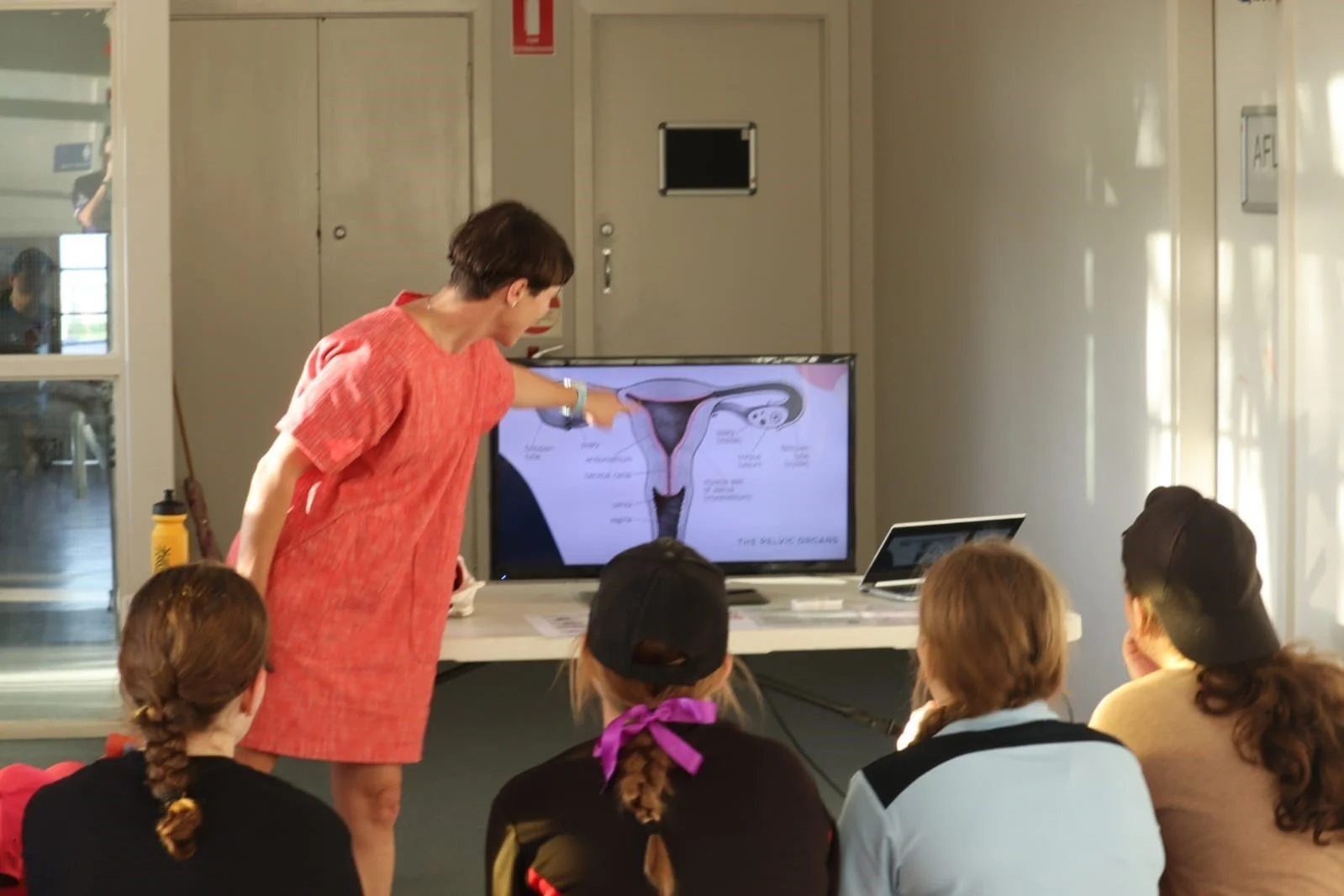
Deliver PPEP Talk® and other education so young people seek help earlier
Train health professionals to recognise and treat pelvic pain
Advocate for better care pathways and policy
Support pelvic pain research to turn evidence into better treatment
Government funding covers only part of this work. Gifts in Wills provide the steady, flexible funding needed for long-term change.
Pelvic Pain affects 1 in 5 women and 1 in 12 men at some time in their life – yet it is a condition that is rarely discussed.
Remember PPFA in your will
Decisions about your will are personal and private. We're here to answer questions and provide clear information.
You can look after loved ones first
Leaving a gift in your will is completely your choice. Most people who support a charity in their will first make sure their family and friends are well provided for. Even a small percentage or modest gift can have a real impact when combined with others. You don’t need to be wealthy for your legacy to make a difference.
It's natural to have questions before including a gift in your will. Many supporters worry they don't have much to leave, but a gift of just 1–5% of your estate, or even a simple fixed amount, can still help PPFA reach many more people living with pelvic pain in the years ahead. Others assume that adding a gift means rewriting their will from scratch, when in most cases your solicitor can simply add a short update, known as a codicil, rather than starting over.
Suggested wording for your solicitor
You can share this wording with your solicitor to use or adapt.
“I give [insert details of your gift — for example, the residue of my estate / X% of my estate / the sum of $X / details of a specific asset] to Pelvic Pain Foundation of Australia Limited (ABN 98 168 910 316) of Level 1, 83 Greenhill Road, Wayville, South Australia, 5034. I express the wish, without creating a binding trust, that this gift be used to support the work of the Pelvic Pain Foundation of Australia in pelvic pain education, advocacy and research. The receipt of an authorised officer of the Pelvic Pain Foundation of Australia will be sufficient discharge to my executors.”
If you’d like your gift to focus on a particular area, the Foundation team can discuss the best wording with you.
Support the next generation
A gift in your will can help ensure that people affected by pelvic pain, periods and endometriosis can access trusted education, stronger advocacy and research for years to come. You can now make an online will through Every Will and nominate the Pelvic Pain Foundation of Australia as a beneficiary. It’s a simple way to leave a lasting contribution to a future where pelvic pain is better understood, recognised and supported.
Frequently Asked Questions
-
A gift in your will — also called a bequest — is a gift to the Pelvic Pain Foundation of Australia (PPFA) that you arrange now but that only takes effect after your lifetime, once your will is finalised. It costs nothing today, doesn't affect your current finances or the people you provide for now, and can be updated at any time if your circumstances change.
-
100% of donations to PPFA go directly toward awareness, education, resources and research for people living with pelvic pain. A gift in will is one of the most powerful ways to extend that impact: it helps ensure people affected by pelvic pain continue to get the education, advocacy and support they need for generations to come, long after any single appeal or campaign.
-
You (or your solicitor) simply include a clause naming PPFA as a beneficiary when you write or update your will. There are a few common ways to structure the gift:
Residuary gift — a percentage or share of what remains in your estate after other gifts and expenses are paid.
Specific gift — a set dollar amount, or a specific asset.
Contingent gift — a gift that only applies if other named beneficiaries are unable to receive it.
-
No — it's entirely your choice, and it doesn't need to be announced or shared with anyone. However, letting us know (even in confidence) helps us plan for the future, and gives us the chance to thank you and keep you updated on the impact your future gift will make. If you'd like to share this news, or simply talk it through first, contact us at fundraising@pelvicpain.org.au— we treat every conversation about a gift in a will with sensitivity and confidentiality.