

Help us raise $1 million by 2030
PPFA’s work is challenging because pelvic pain is common, disruptive and still too often misunderstood or dismissed. It can cost people school days, work, relationships and wellbeing. Changing the belief that severe pain is simply something to endure takes work across classrooms, clinics, families and workplaces.
Care can also be fragmented. People may move between GPs, specialists and allied health professionals without a clear path, while clinicians report varying confidence in recognising and managing persistent pelvic pain. Barriers can be greater for people in regional and rural communities, First Nations communities and other priority groups.
PPFA works both sides of the consultation desk. We help people understand their symptoms and when to seek help, while providing practical, evidence-informed training for clinicians. We also recognise pelvic pain is not only an endometriosis issue: it affects people of every gender and at every life stage, including men and people assigned male at birth.
Give to the Pelvic Pain Education Fund today and help change what happens next.
A gift to the Pelvic Pain Education Fund helps strengthen PPFA’s education, advocacy, and research work. It supports the information, professional learning, resources, and evidence needed to improve understanding and care.

Support earlier diagnosis and better care.
Support earlier diagnosis and better care.
Help make sure the next generation is heard sooner and supported better when pelvic pain begins.
PPFA is a registered charity. All donations over $2 are tax deductible.
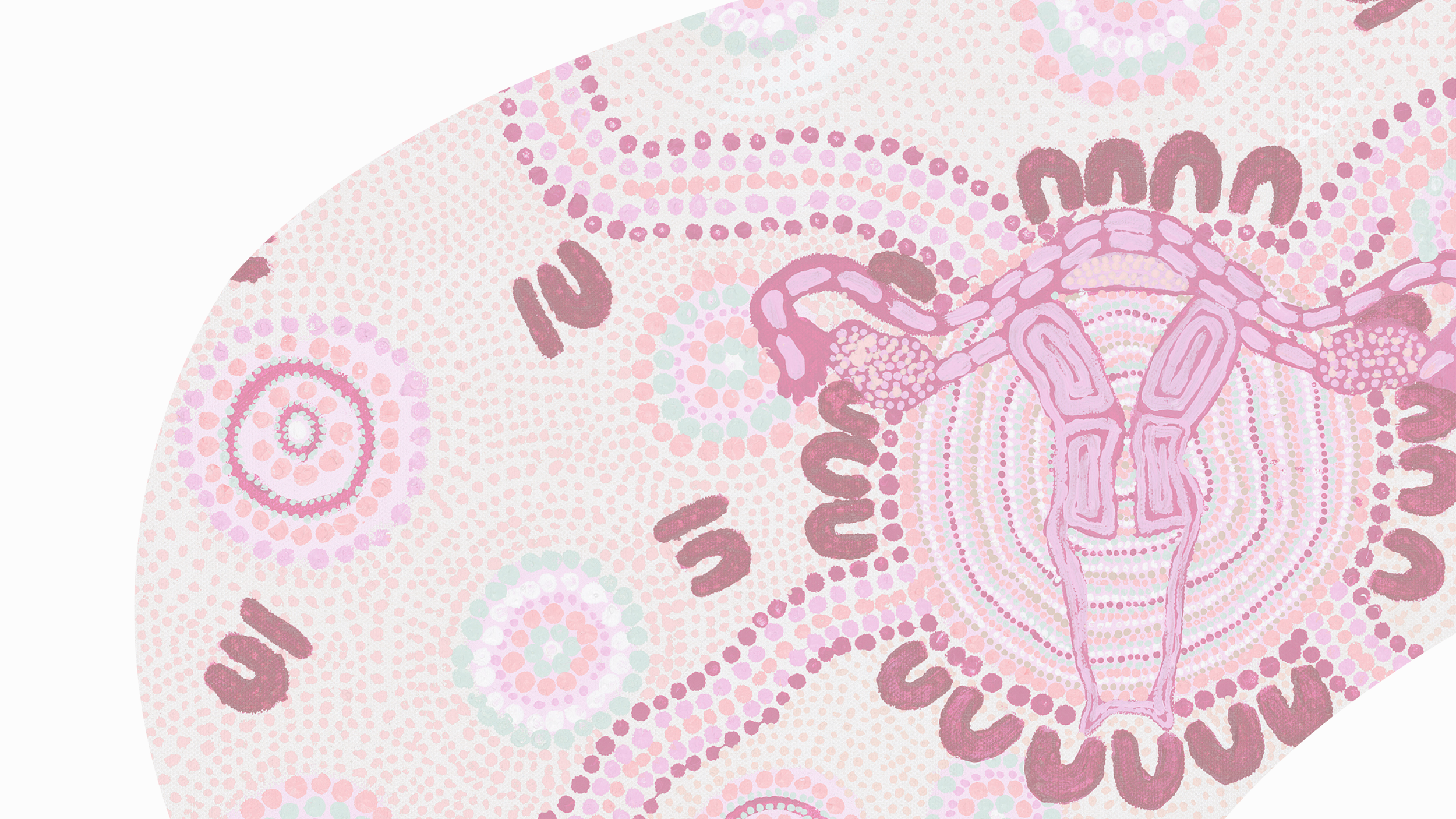
Artwork by :Lakita Millar-Sansbury
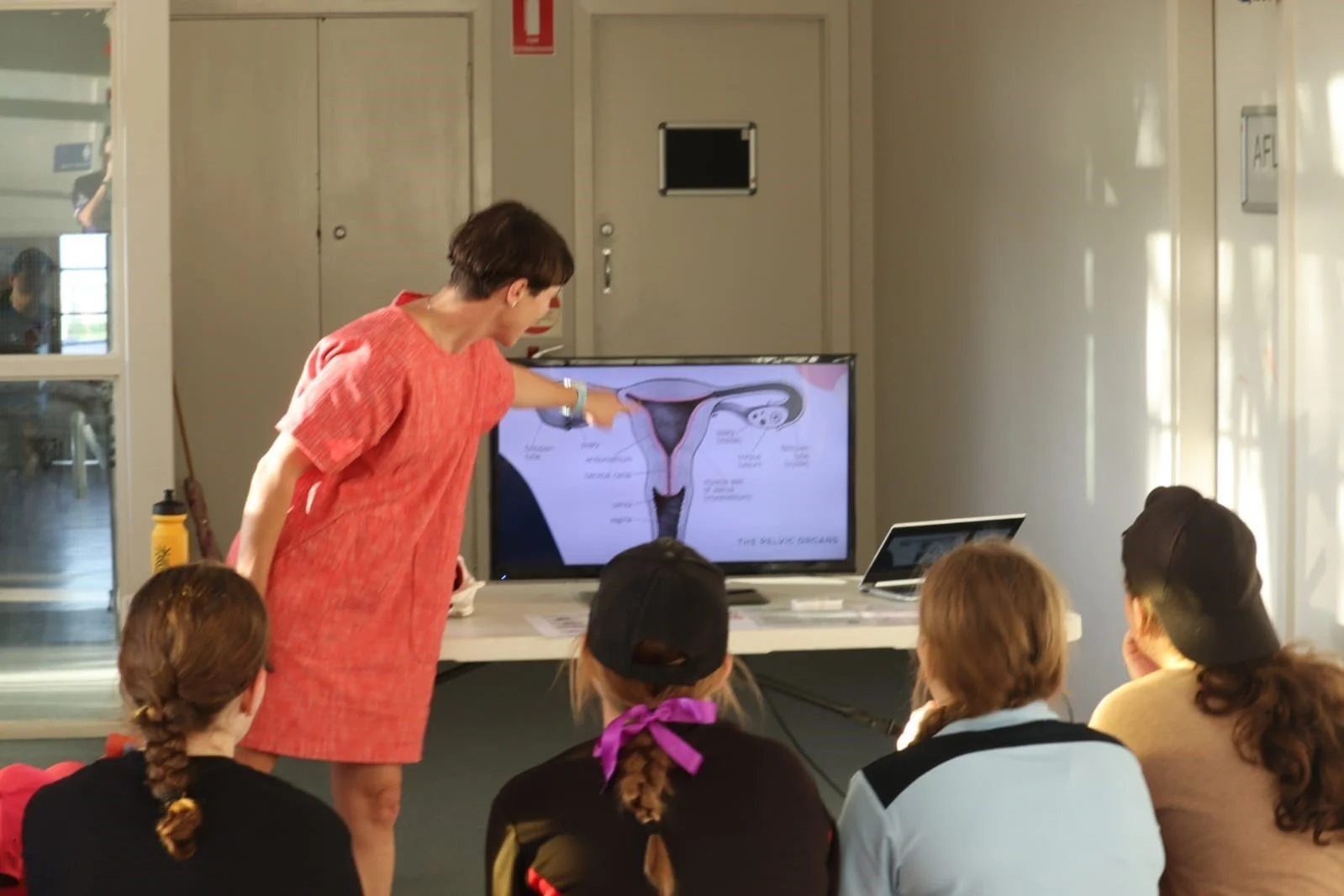
After a PPEP Talk® session, 94.1% of participating students knew what endometriosis was, compared with 46.9% before the session.
Education in communities
PPFA’s community education helps people recognise when period or pelvic pain may need attention. It gives them practical language for talking about symptoms, confidence to ask for help and trusted information to share with family, friends, schools and workplaces.
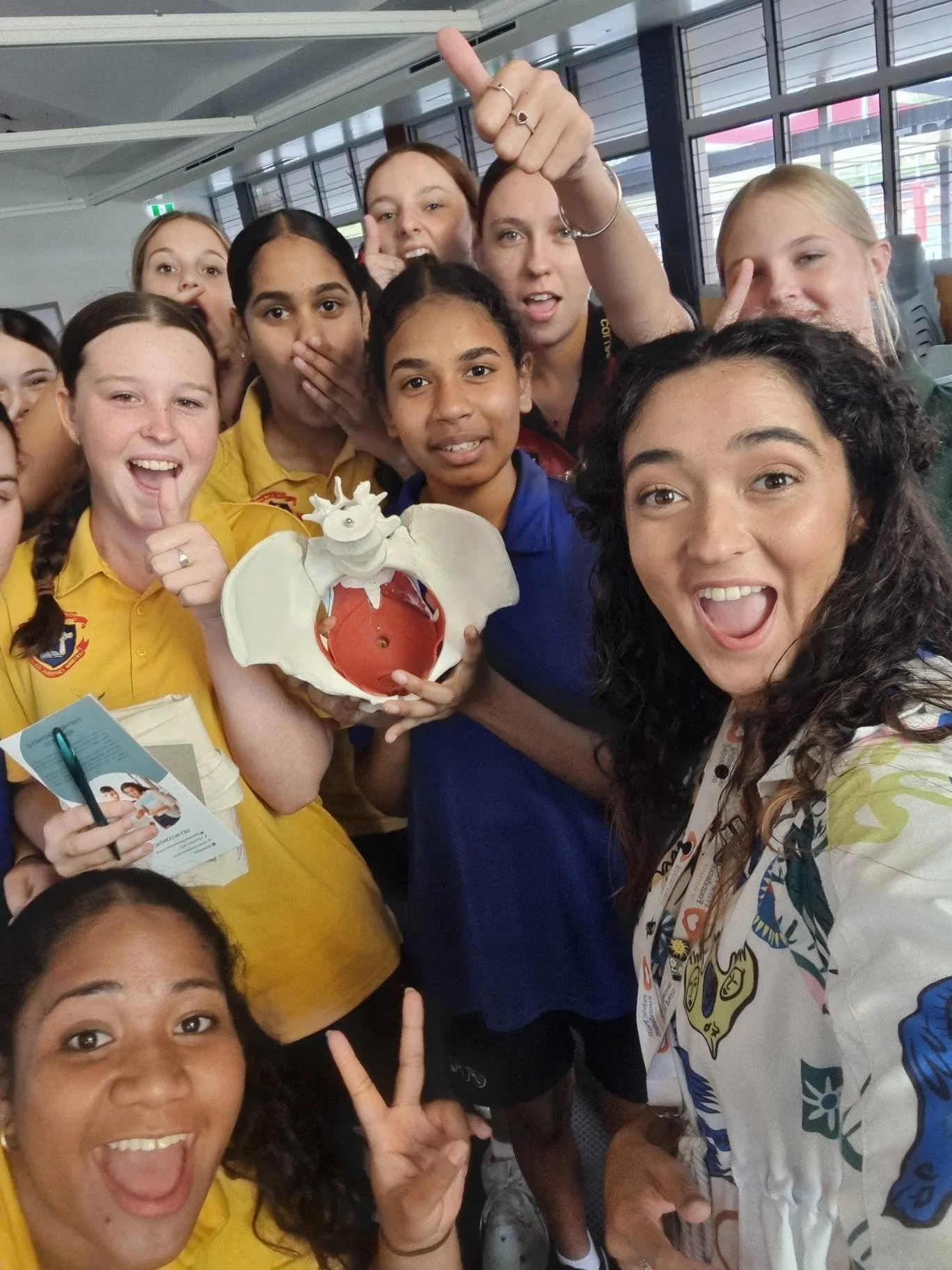
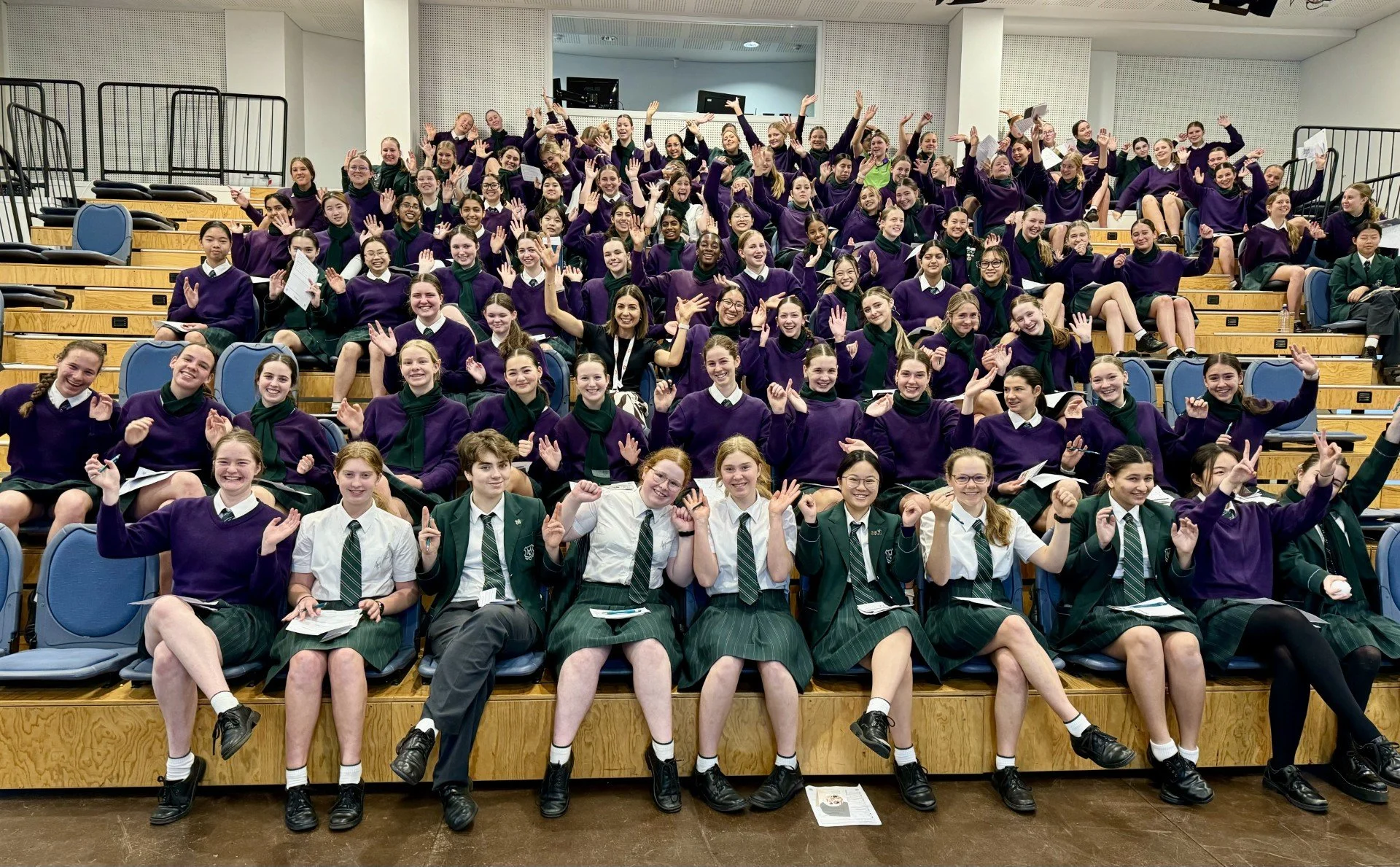
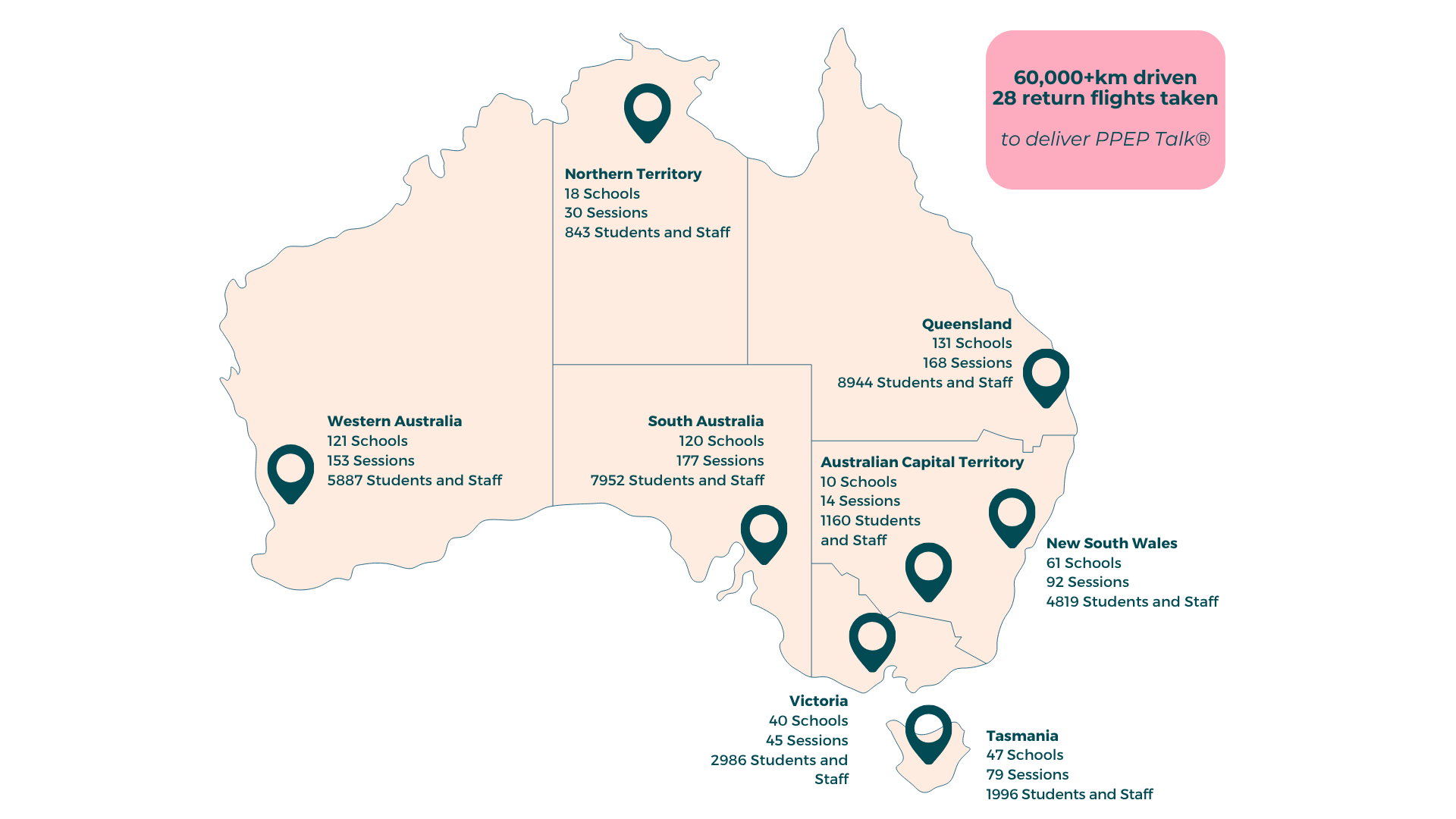
Through PPEP Talk®, PPFA’s national schools education program, young people learn about periods, pelvic pain and endometriosis in a clear, age-appropriate way. In 2024–25, PPEP Talk® reached 34,587 students and staff through 758 sessions in every Australian state and territory.
Help more people get the knowledge to recognise pelvic pain, talk about it and find support. Give to the Pelvic Pain Education Fund today.
Sometimes, one conversation can change everything
At the end of a Year 9 session, a boy approached PPFA Clinical Educator Polly because he thought his mum might have endometriosis.
They talked about what he had noticed, how he could support her and where he could find reliable information. He left with resources to take home.
“That moment stayed with me,” Polly says. “When young people have the right information, they can recognise that pain is not something people simply have to put up with. They feel less alone and more able to ask for help.”
The information reached beyond the classroom, helping one young person think about how to support someone he loves. It is a reminder that when we give young people knowledge, they can carry it into their families and communities.
Your gift helps PPFA give more people the words, information and confidence to start that conversation sooner.
“Knowledge gives young people the confidence to ask for help, and to support the people they love.”
Support earlier diagnosis and better care.
Support earlier diagnosis and better care.
Help make sure the next generation is heard sooner and supported better when pelvic pain begins.
PPFA is a registered charity. All donations over $2 are tax deductible.
Artwork by :Lakita Millar-Sansbury
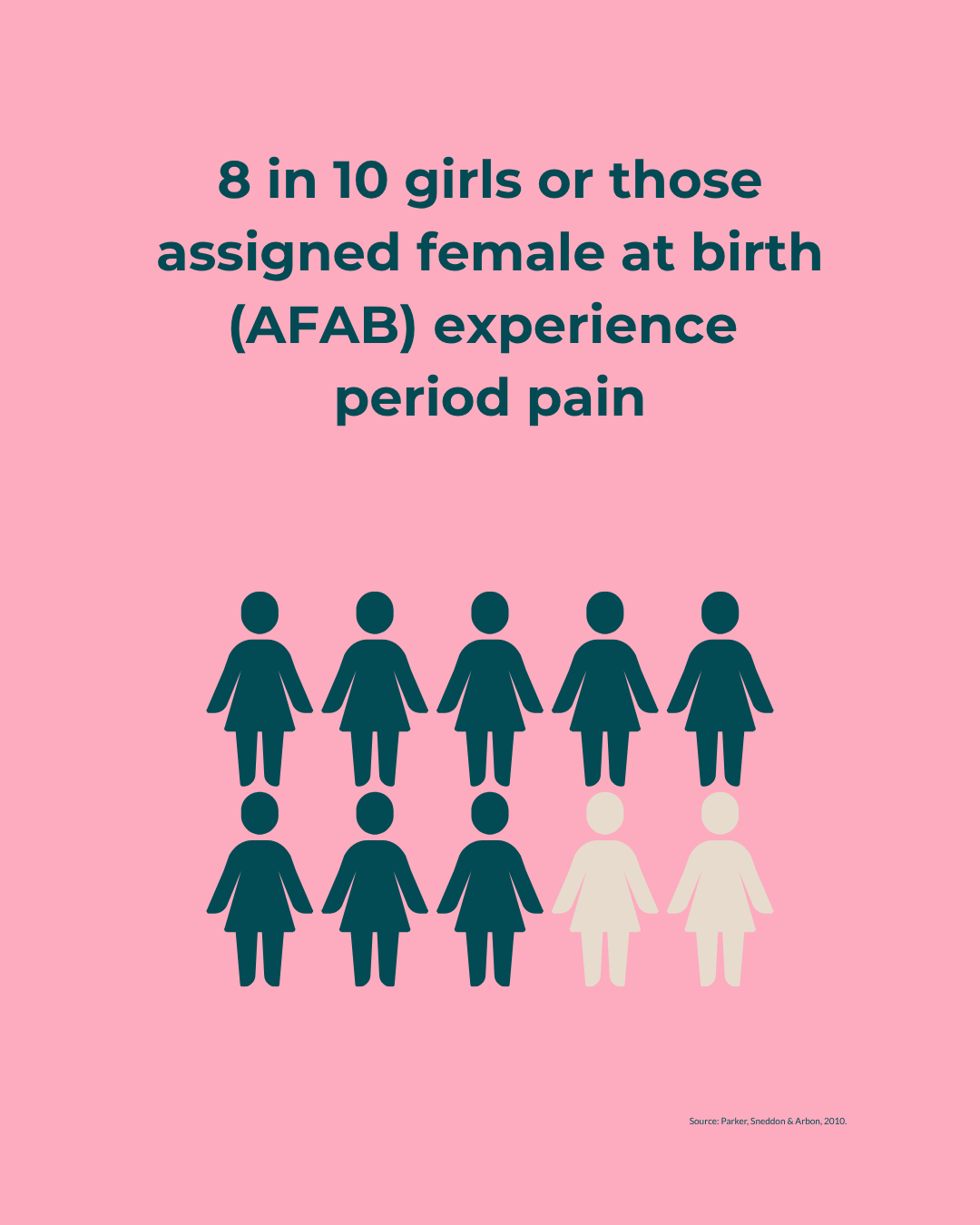
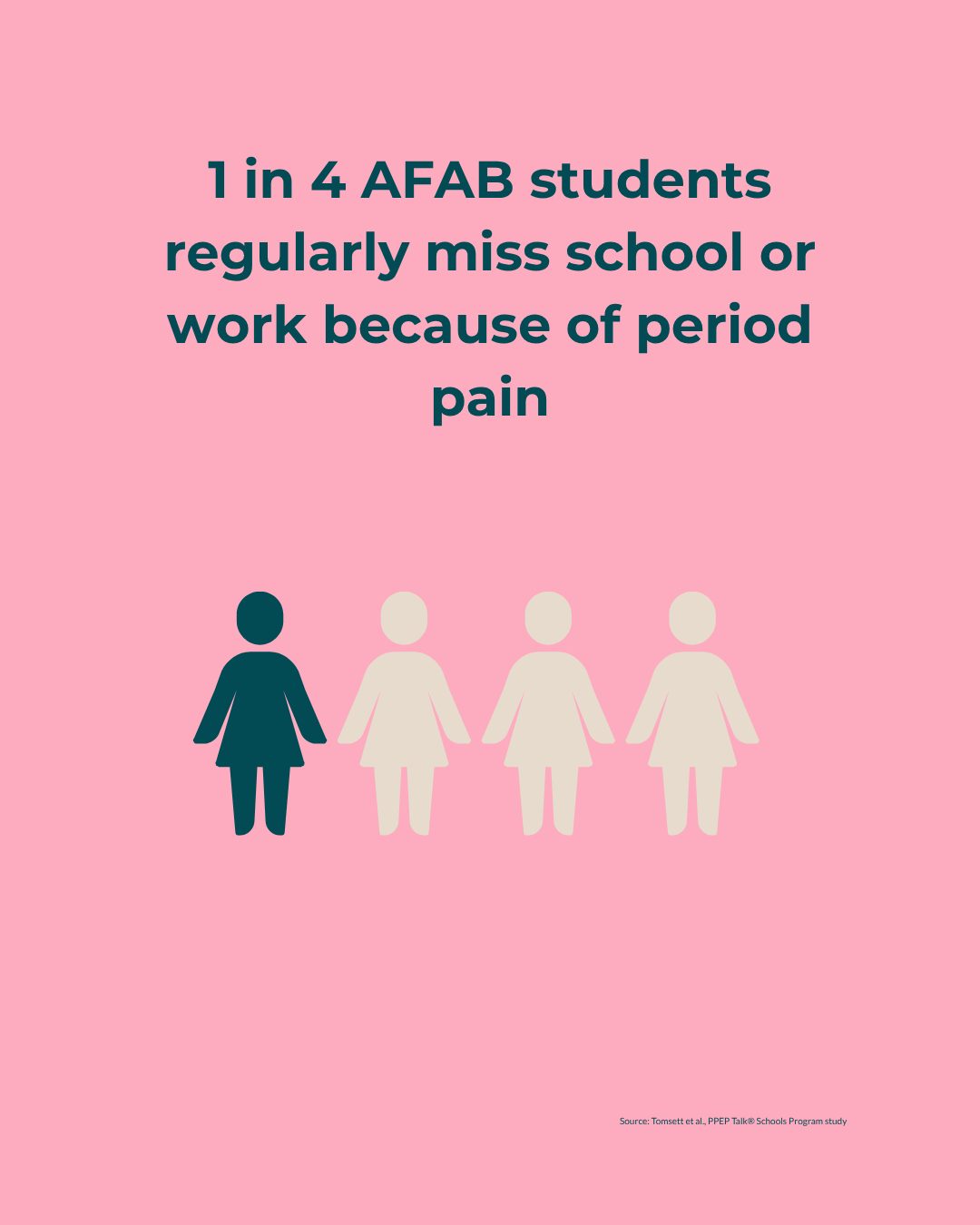
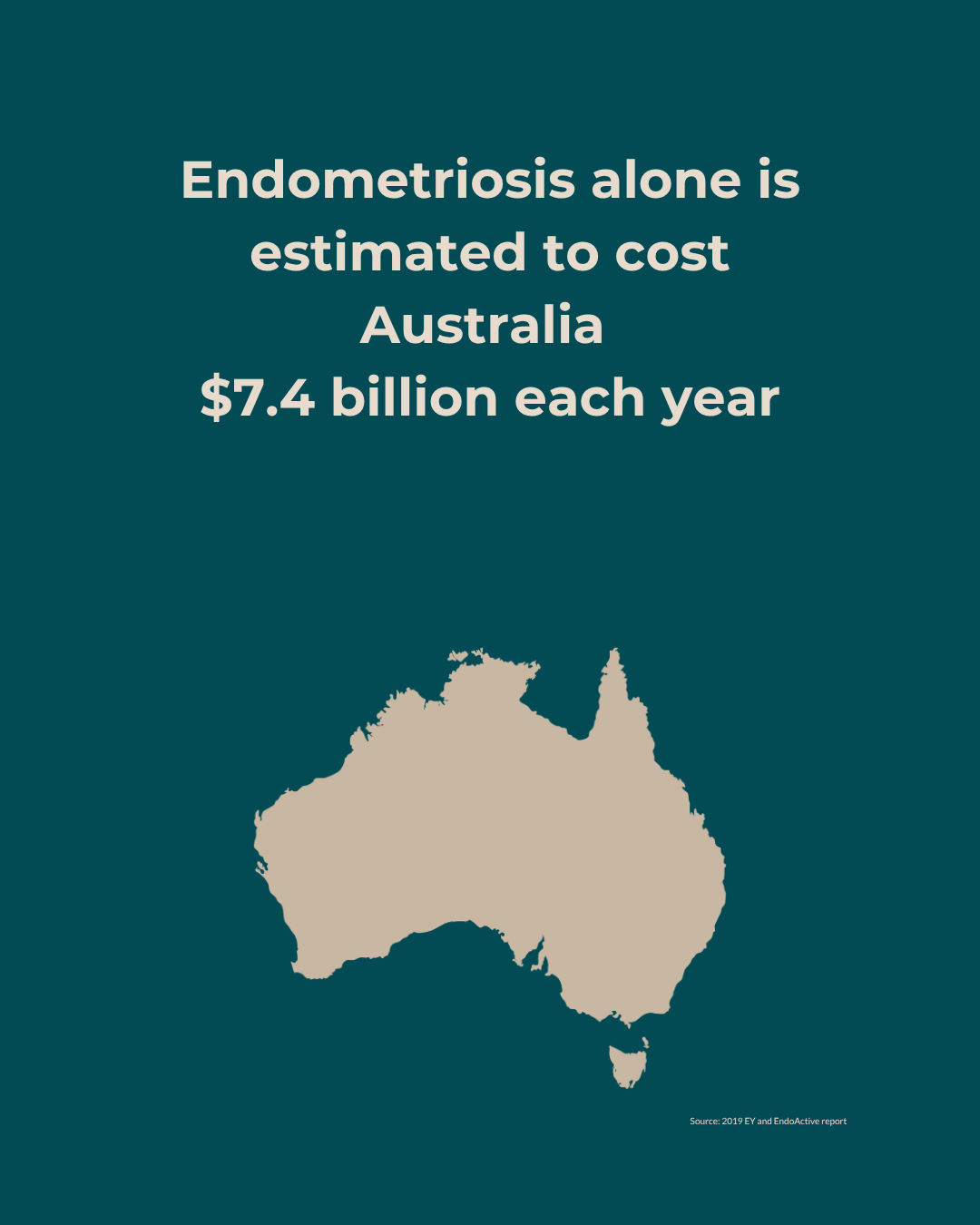
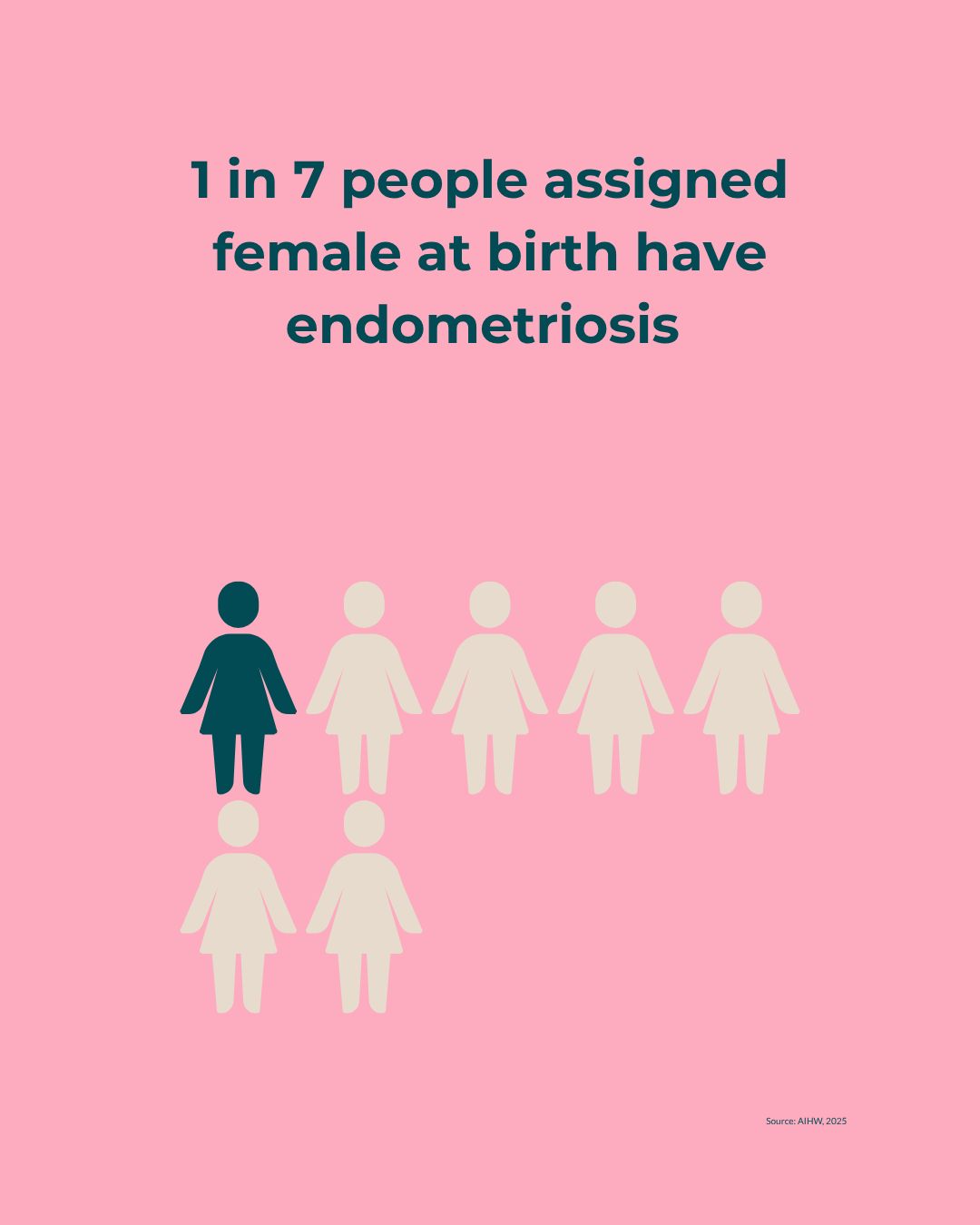
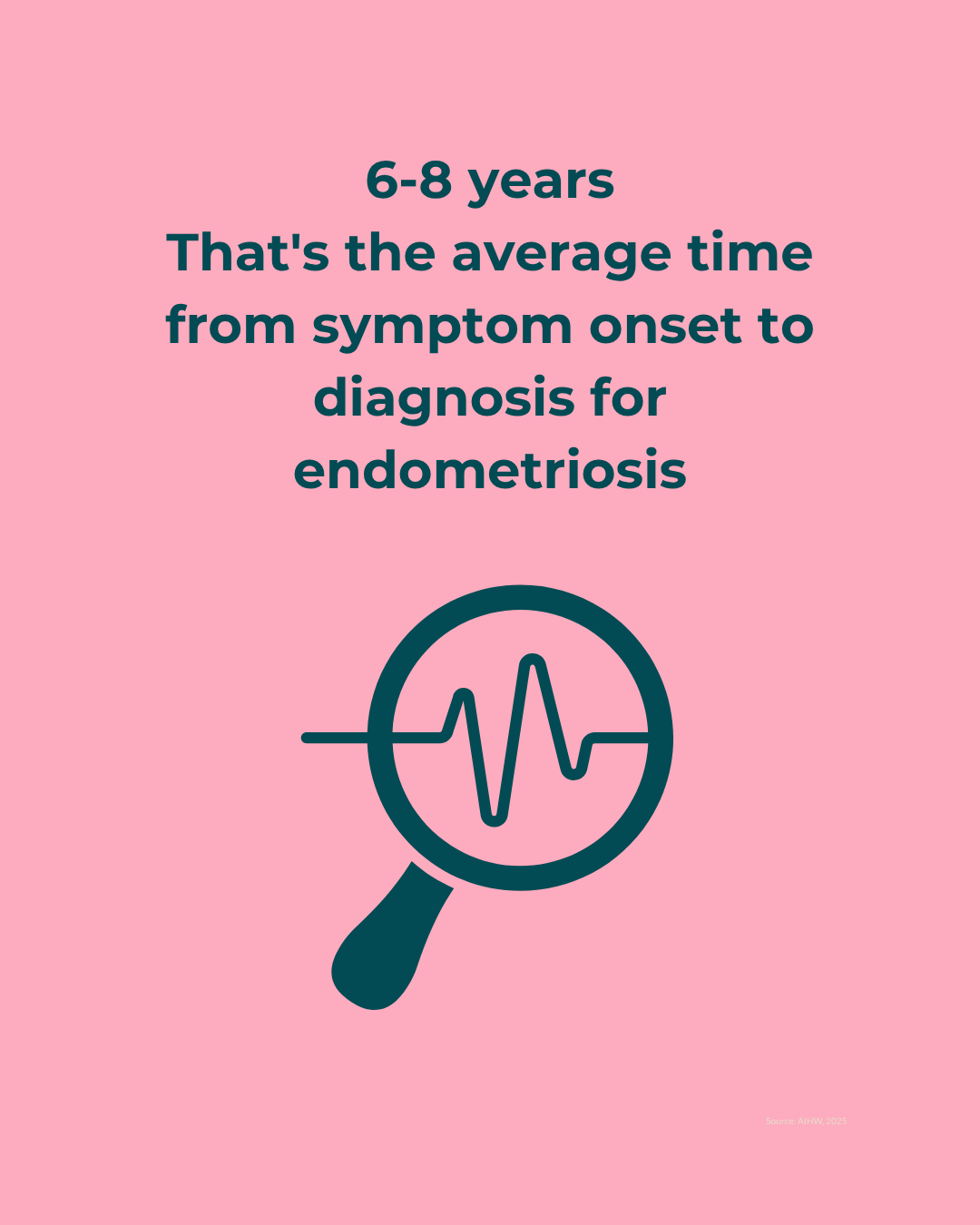
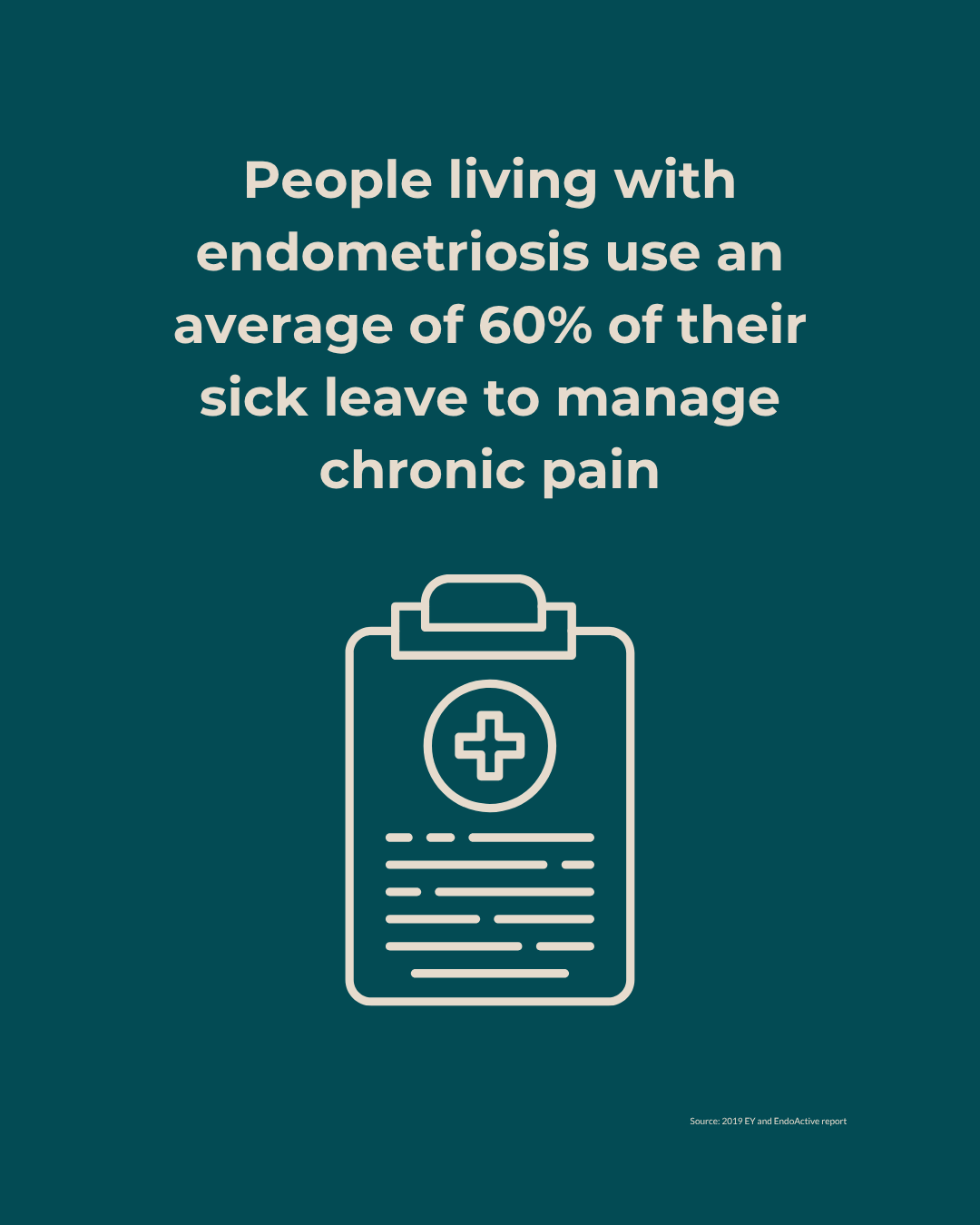
The numbers show why this can’t wait
For too many Australians, pelvic pain affects everyday life before they have the information, language or support to seek help.
These figures show the scale of the problem—and why sustained investment in education, advocacy and research matters.
Your gift helps people understand their pain, find trusted information and get better-informed support.
Sharing knowledge,
one Yarn at a time
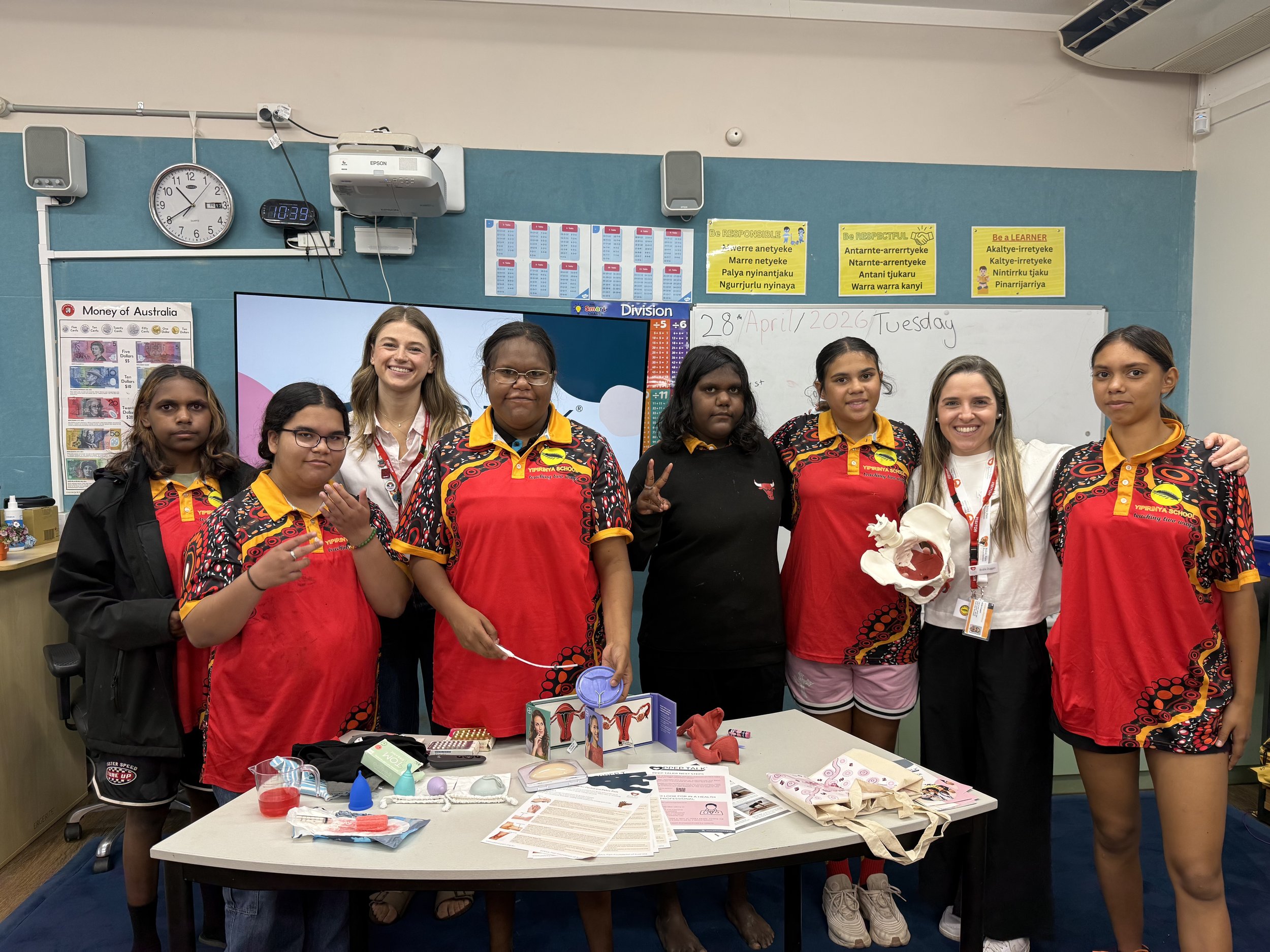
Pelvic pain education needs to be relevant, accessible and appropriate for the communities receiving it. PPFA’s data shows that Aboriginal and Torres Strait Islander adolescents assigned female at birth report higher rates of severe period pain than non-Indigenous peers: 60% compared with 50%. They are also more likely to report attending an emergency department for period or pelvic pain: 14% compared with 5.5%.
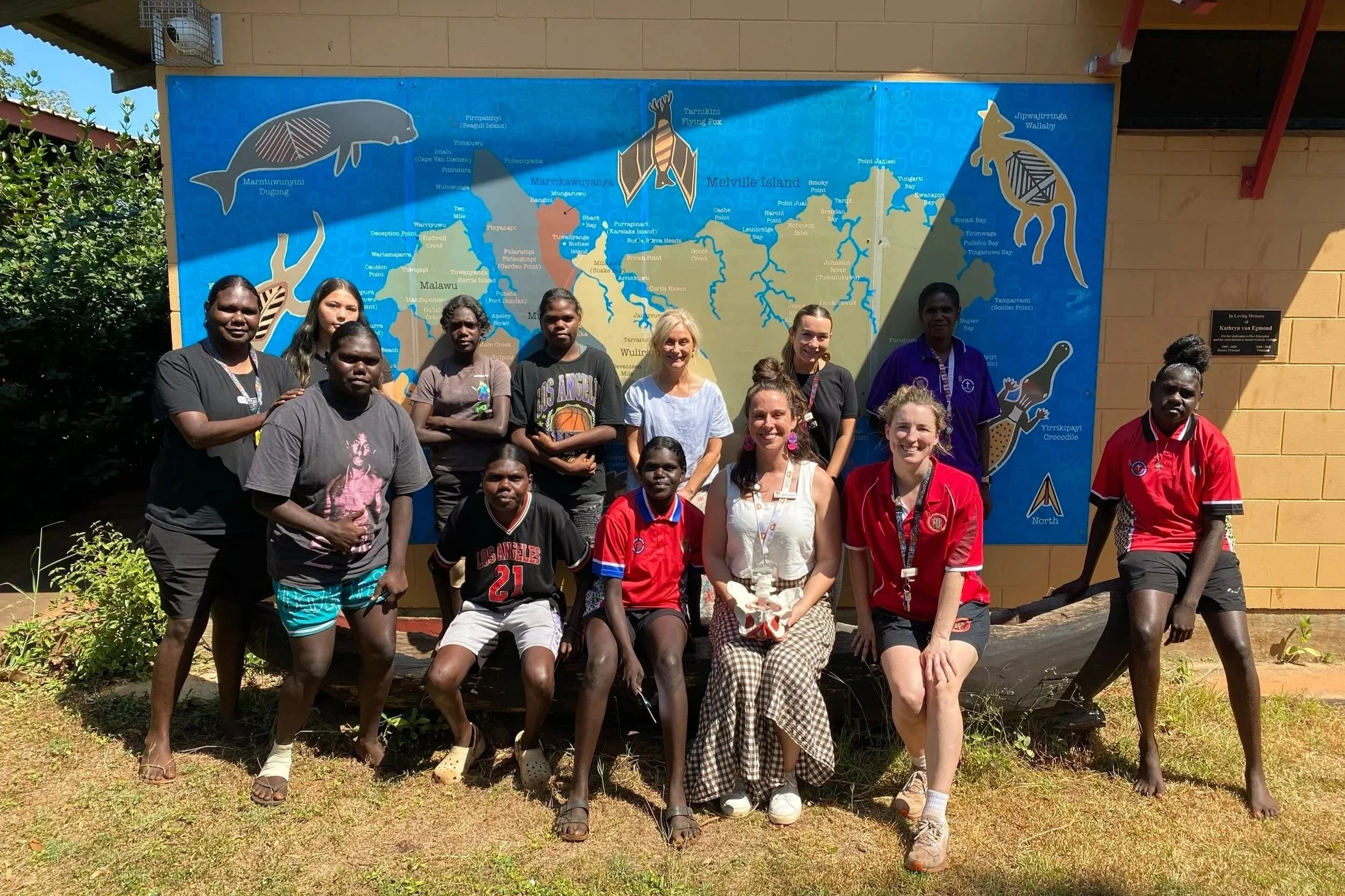
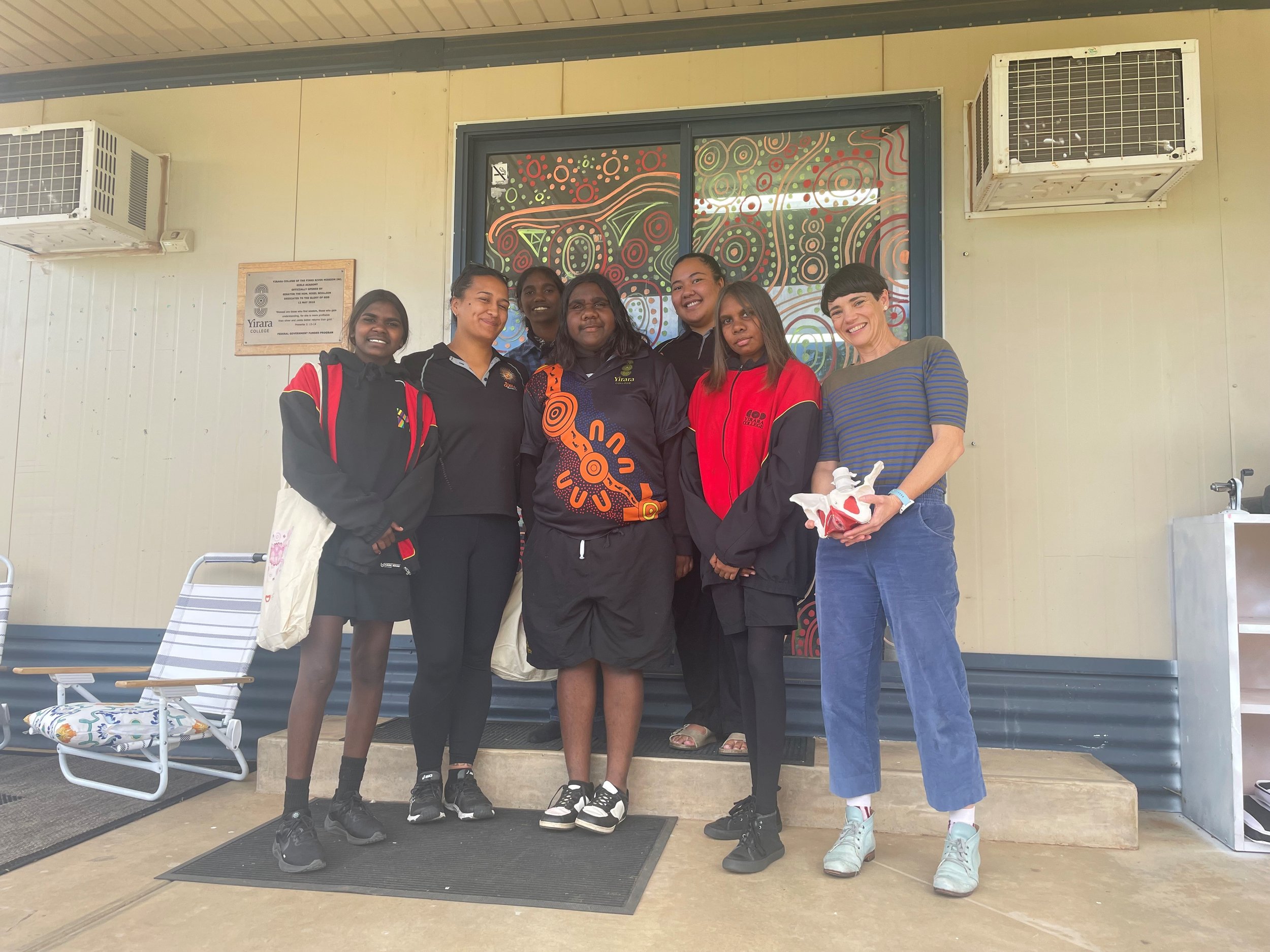
In 2024–25, PPFA delivered 37 PPEP Talk® and Yarns sessions for First Nations students and support staff. PPFA is working to ensure its education recognises the different experiences, language, support networks and health-system barriers that can shape a person’s pathway to care.
14% of Aboriginal and Torres Strait Islander
adolescents assigned female at birth reported
attending an emergency department for
period or pelvic pain, compared with 5.5%
of non-Indigenous peers.
Artwork by :Lakita Millar-Sansbury
Supporting the people who support patients
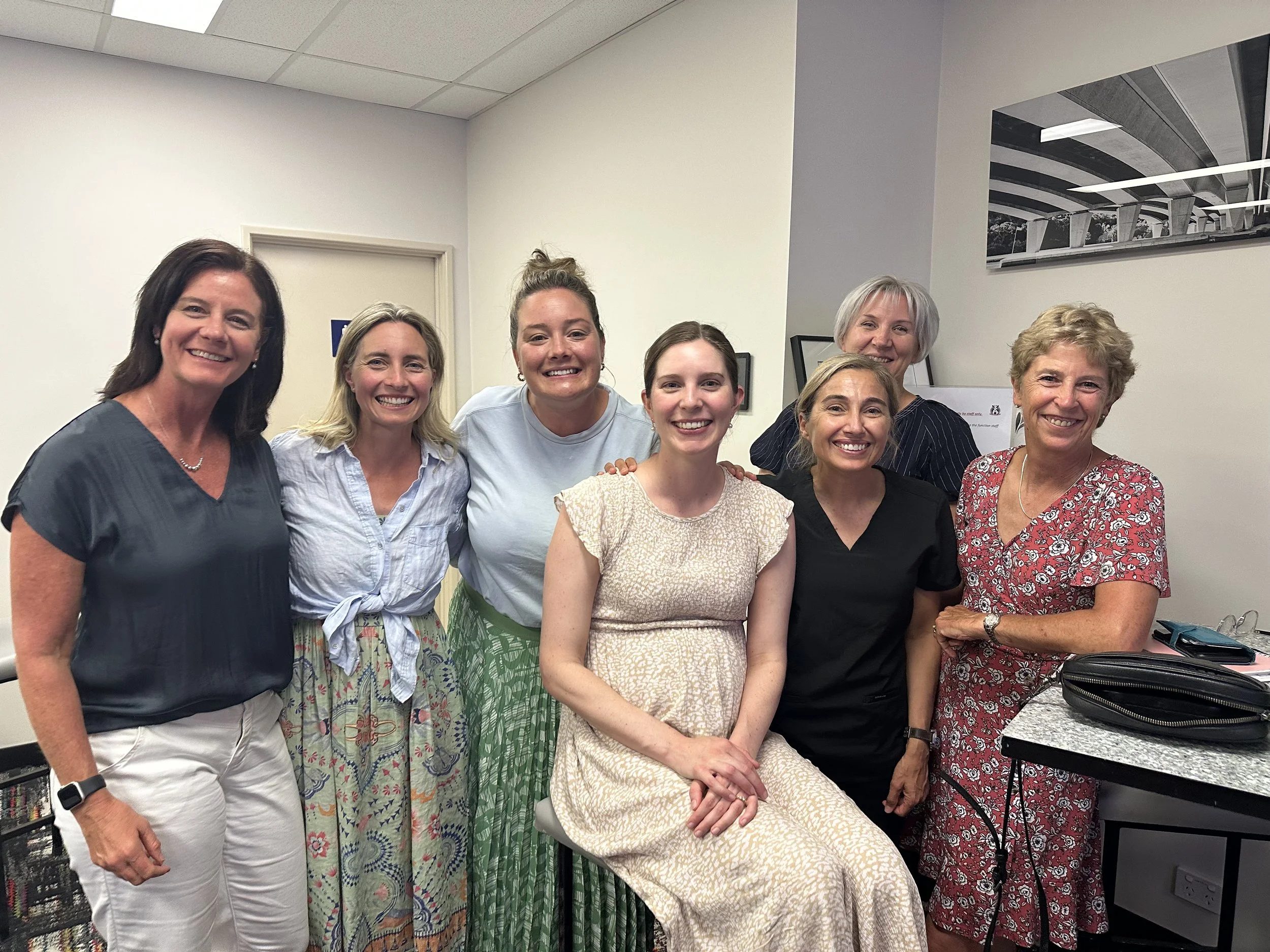
The conversation in a consultation room matters. Health professionals are often the first people a patient turns to when pain starts affecting school, work, sleep, relationships or daily life.
PPFA provides evidence-based education for health professionals so they can build confidence in recognising and responding to pelvic pain. This includes learning for GPs and other clinicians, focused on practical knowledge, current evidence and better conversations with patients.
In 2024–25, PPFA delivered 196 health professional education sessions. PPFA’s professional development is accredited with the Royal Australian College of General Practitioners (RACGP), the Australian College of Rural and Remote Medicine (ACRRM) and the Royal Australian and New Zealand College of Obstetricians and Gynaecologists (RANZCOG).
Help build a health workforce better equipped to understand pelvic pain. Give to the Pelvic Pain Futures Fund today.
It can take 6–8 years from the first symptoms of endometriosis to diagnosis. Better education for health professionals can support earlier recognition and help people get informed care sooner.
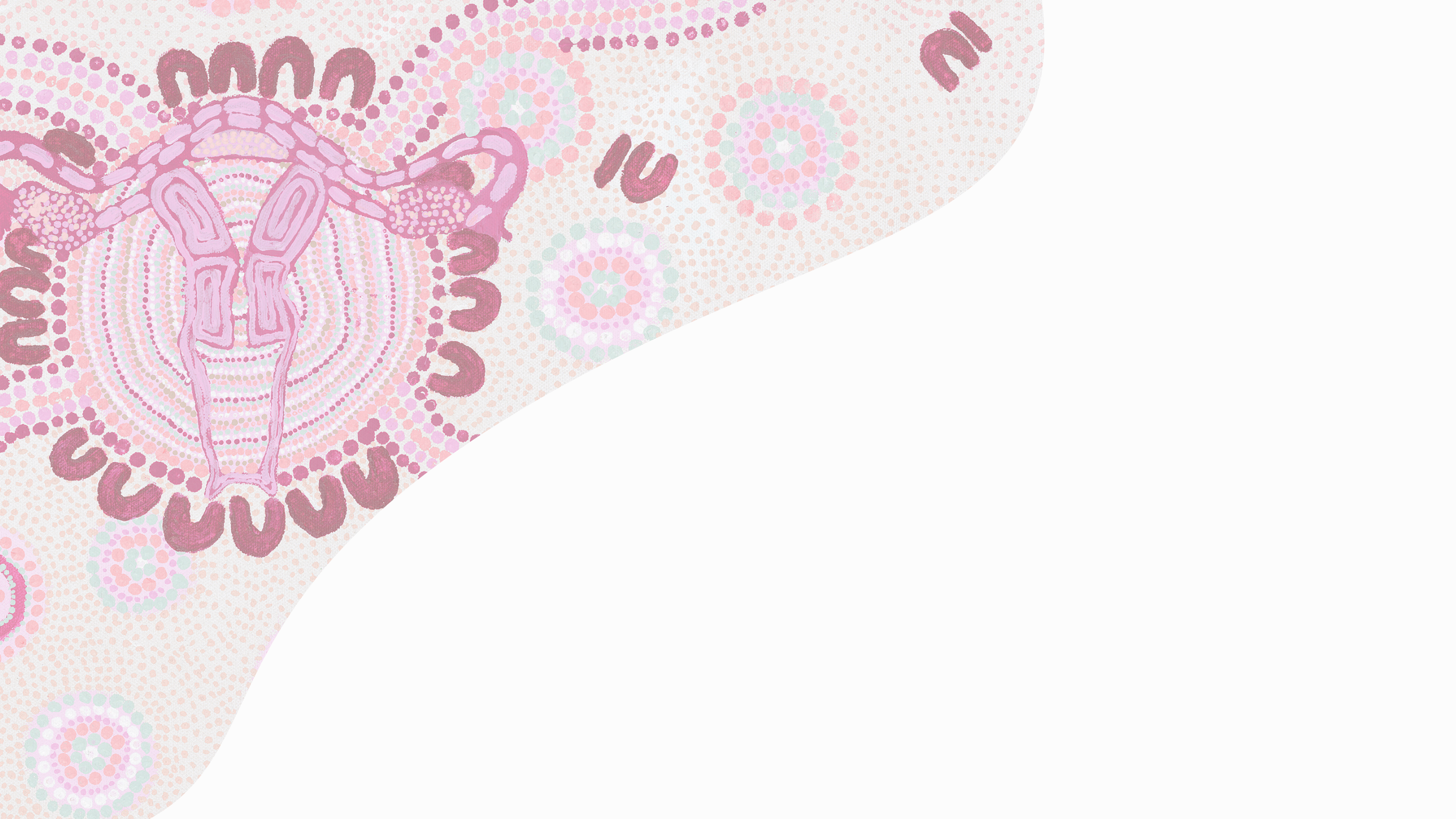
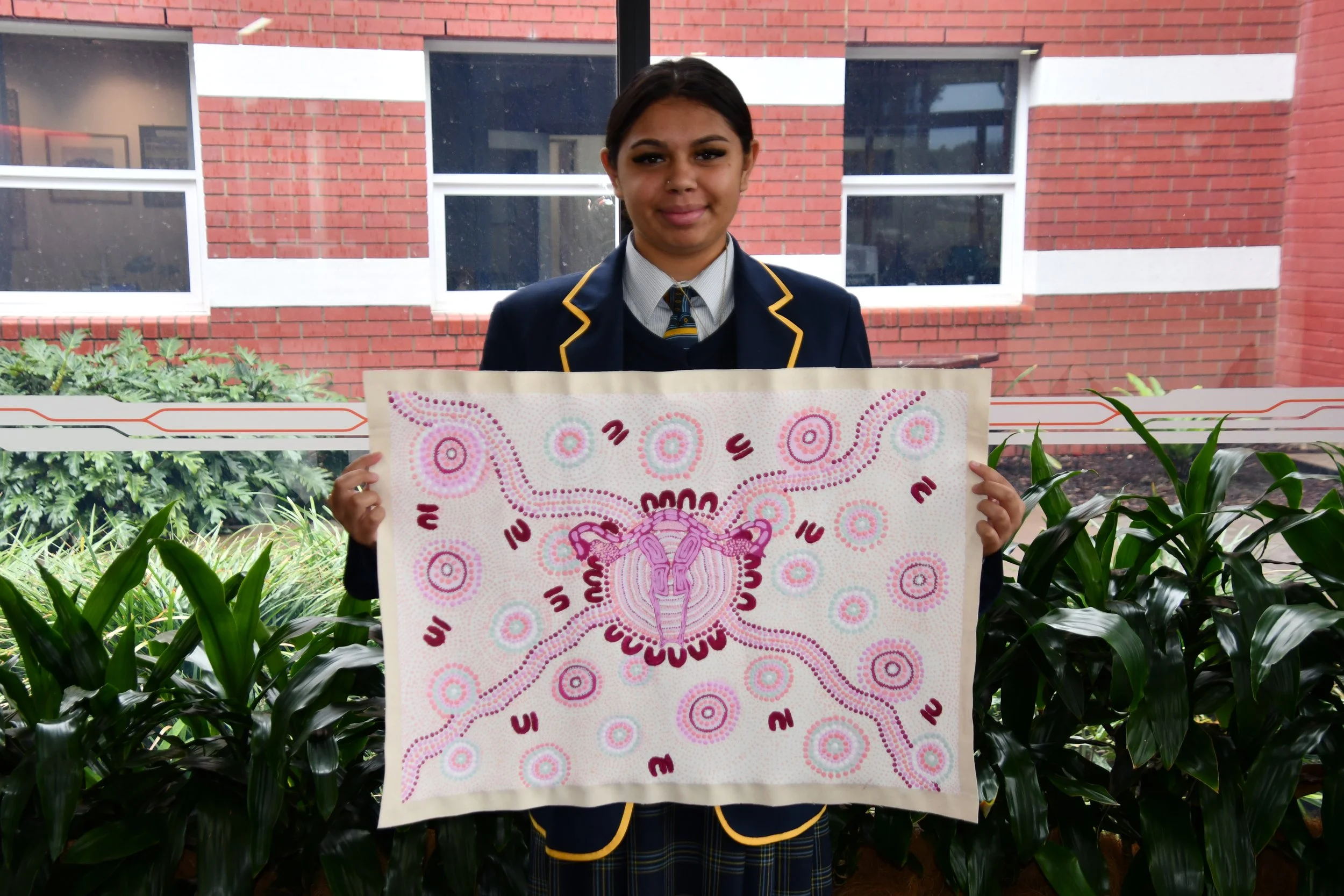
This artwork, created by Miss Lakita Miller-Sansbury (Ceduna SA), was commissioned by PPFA in 2021. Lakita’s language groups are Wirangu, Kokatha, Narungga, Kaurna and Pitjantjatjara
Meet Lakita
I come from a very strong line of women and as women in my culture, we celebrate all parts of being a woman. Especially, the very special function that allows us women to birth life. This cycle is treasured in my family which, traditionally, we perform a smoking ceremony to those who have become of age and has received their monthly flow of blood from the body.
This painting is about my smoking ceremony of when I had become of age and when I had felt most spiritually connected with my mother, aunts and grandmothers. It reflects the strength in my family and how amazing a women’s body works and the privileges and responsibilities young girls have been given. It is important that we empower and strengthen our women and young girls, in particular, those who suffer from pain, are incapable of becoming pregnant due to vaginal diseases, those who chose to control birth and eliminate their periods.
Centred is a uterus and vaginal area which is called ‘’nyria’’ in Pitjantjatjara language, pronounced (new-ra). Around the uterus is a gathering of my family coming together and connected through pathways from different areas of south Australia sitting around the fire. The symbol of women sitting with a digging stick, traditionally represents the responsibility to nurture and gather local foods for the babies. As they are separated from the gathering in the centre, it represents my extended family who support me from a distance. Circled dots represent the lands where we source our food, water and shelter and which we live on. I have divided the painting with 2 shades of pink as this represents the two-family lines I come from and how they have gathered for my becoming of age.
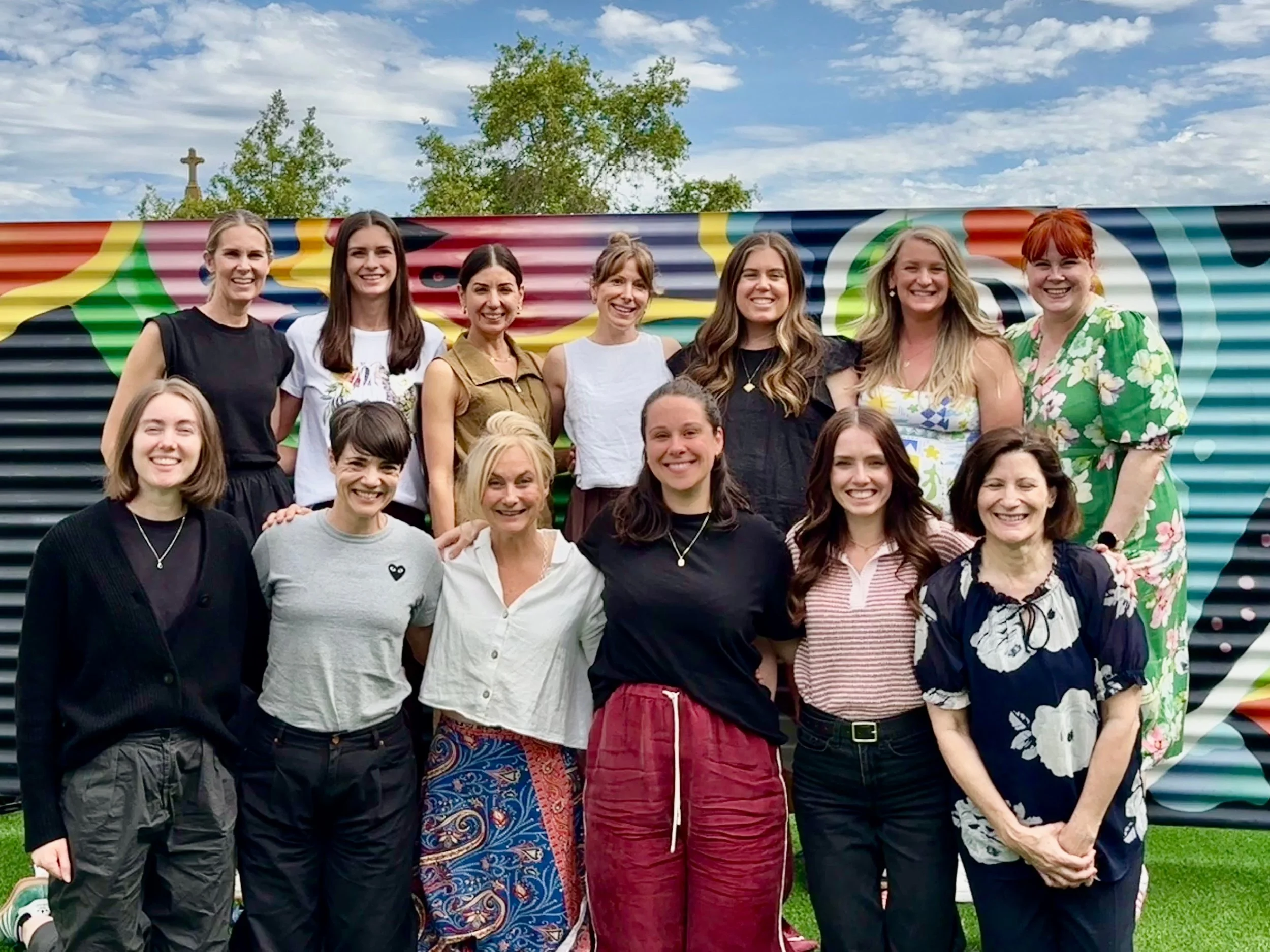
From all of us, thank you
Thank you for being part of our community and supporting a better future for people living with pelvic pain. Your support helps us share knowledge, build understanding and advocate for change.
From all of us at the Pelvic Pain Foundation of Australia, thank you for standing with us.