PPEP Talk® Sports

Many young athletes are sidelined by painful periods, pelvic pain, and endometriosis - hindering equal opportunity in sports. We aim to change this by providing education and support with this program.
Persistent pain conditions peak in girls and people assigned female at birth between the ages of 11 and 18 — the same period when drop-out from organised sport increases sharply. PPEP Talk® Sports exists to address this gap by educating and empowering athletes, coaches, and clubs to identify and manage problematic periods and pelvic pain, helping young people stay active and engaged in sport.
PPEP Talk® Sports is an engaging, age-appropriate, and medically accurate program that integrates the modern neuroscience of pain with menstrual cycle education and training considerations. It directly addresses the number one priority of the National Action Plan for Endometriosis: education and awareness.
One in four girls and people assigned female at birth experience regular severe period pain, and around half will develop endometriosis during their teens or twenties. PPEP Talk® Sports is a 60-minute session delivered by our specially trained Clinical Educators, using animation, video, and interactive content. Athletes receive tailored resources to support understanding, self-management, and conversations at home and within their club.
Each session includes dedicated time for individual athletes or club members to speak privately with the educator about specific concerns. This approach supports early intervention, helping athletes, families, coaches, and clubs respond before pain leads to disengagement or long-term impact.
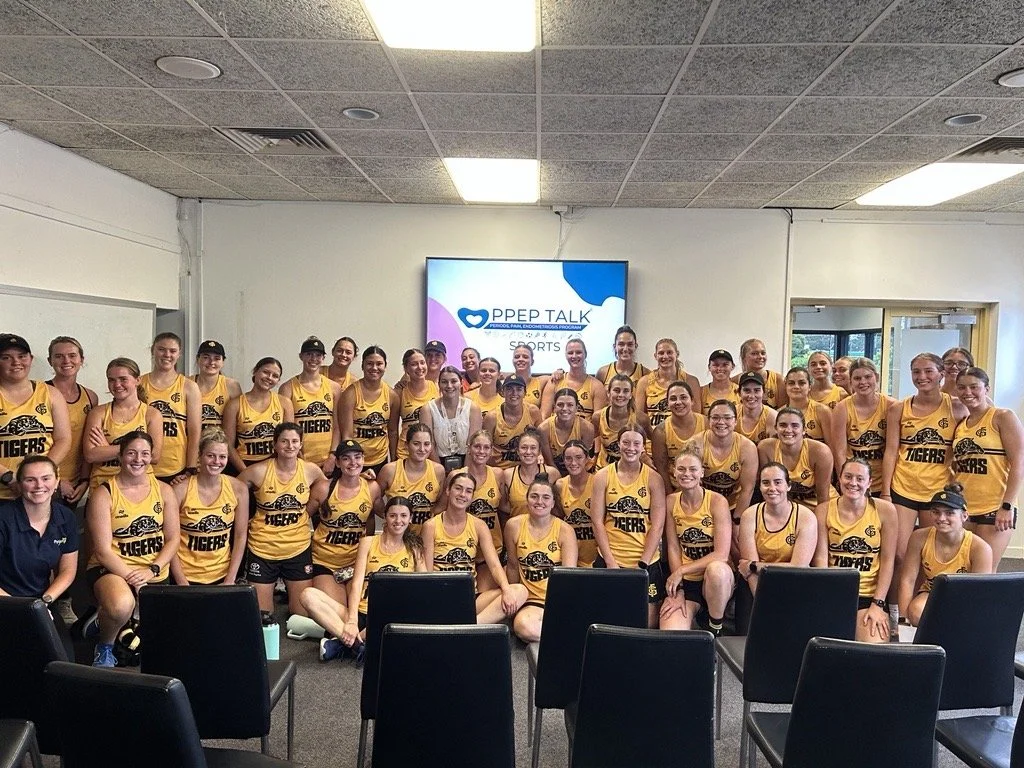
PPFA delivers a limited number of PPEP Talk® Sports sessions each year for grassroots and elite sporting clubs. Clubs are encouraged to apply early due to high demand and limited capacity. We offer unique programs for both players and coaches. Read about what is included in each program below and complete an inquiry form today!
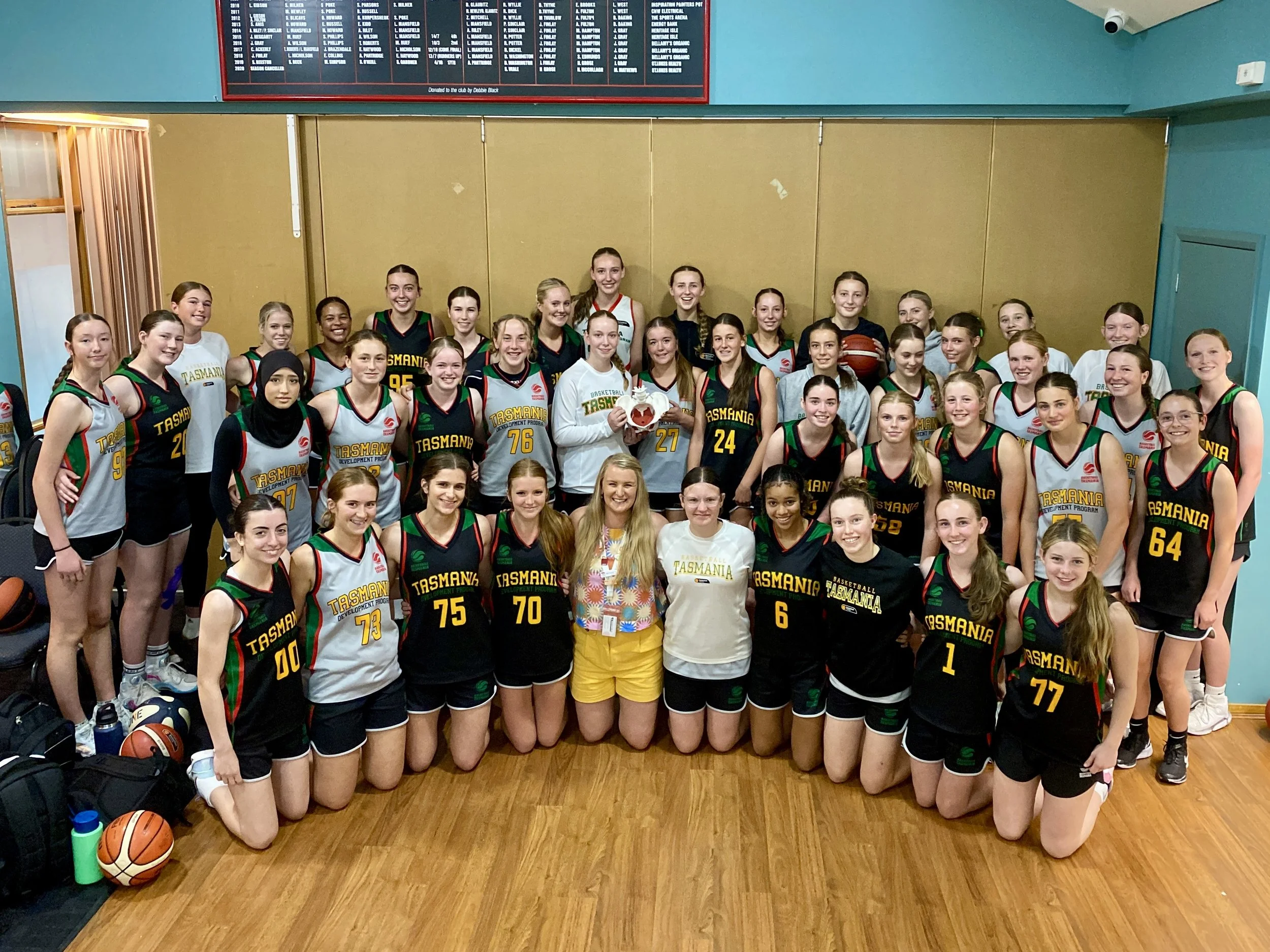
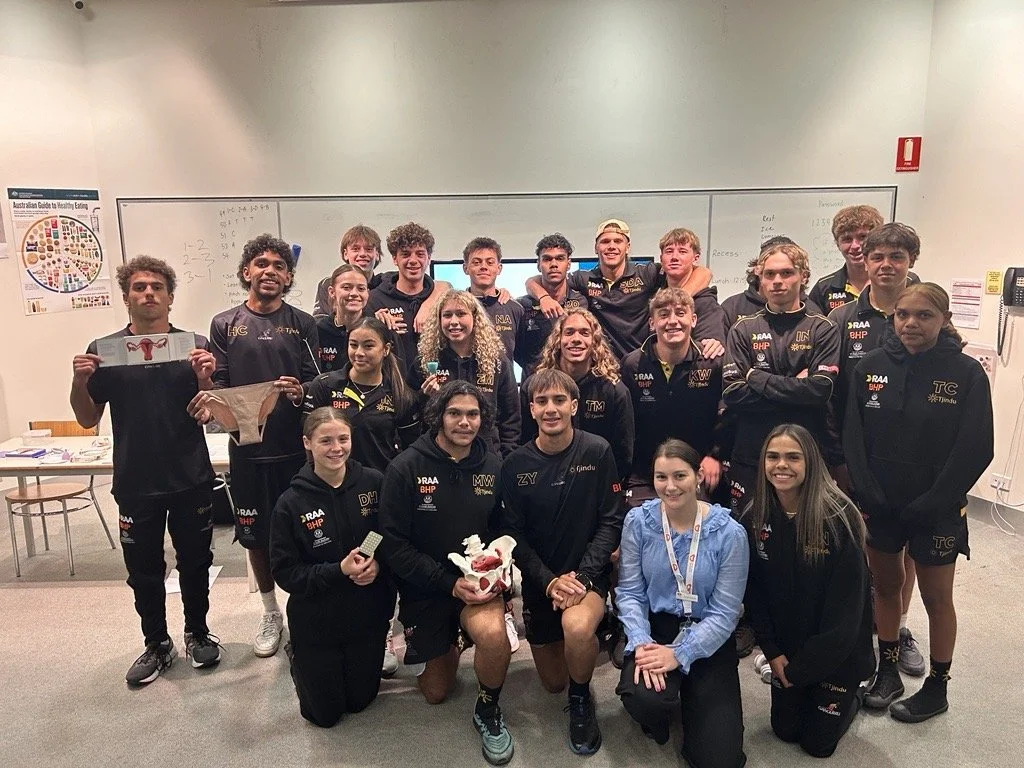
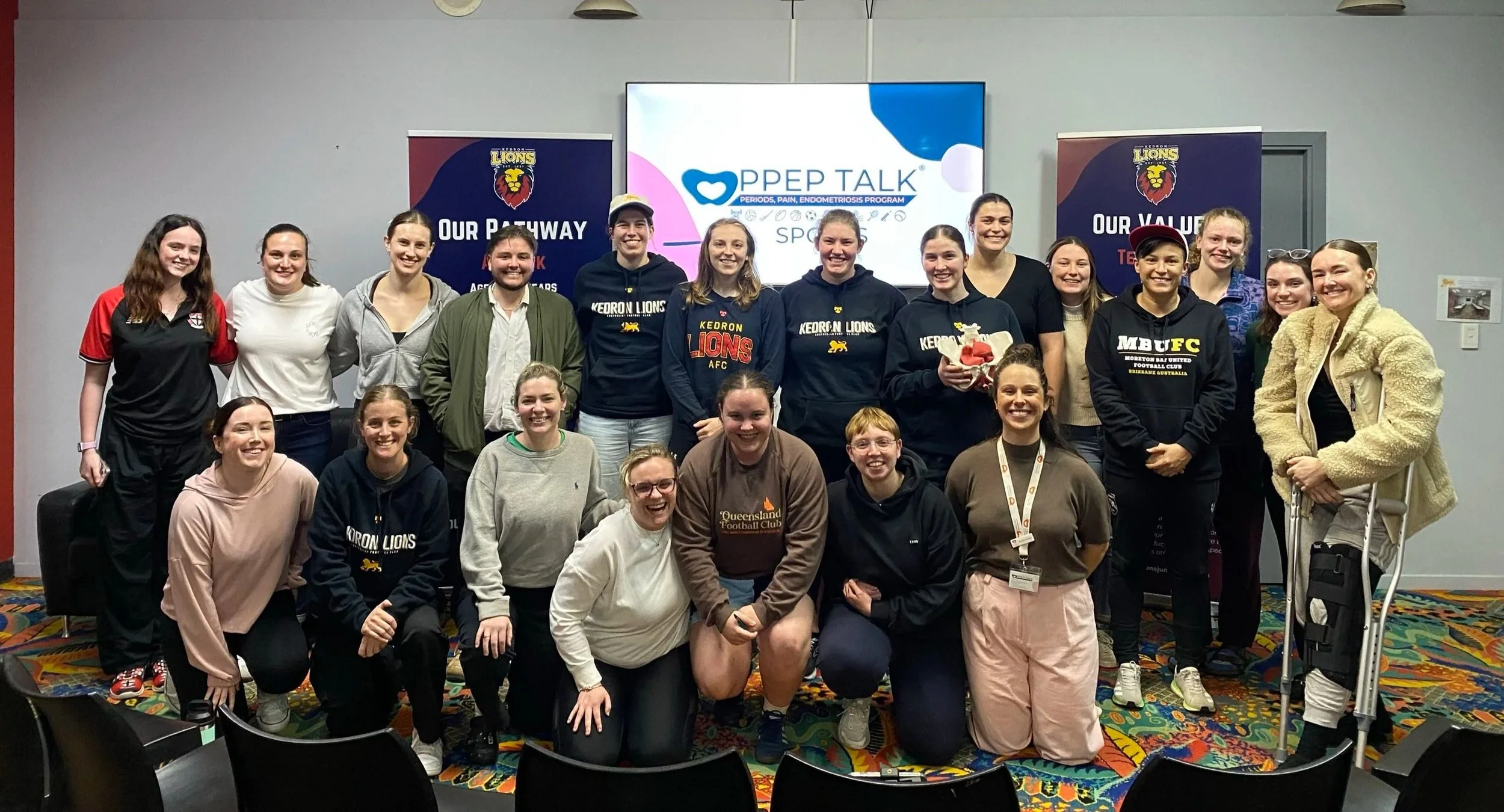
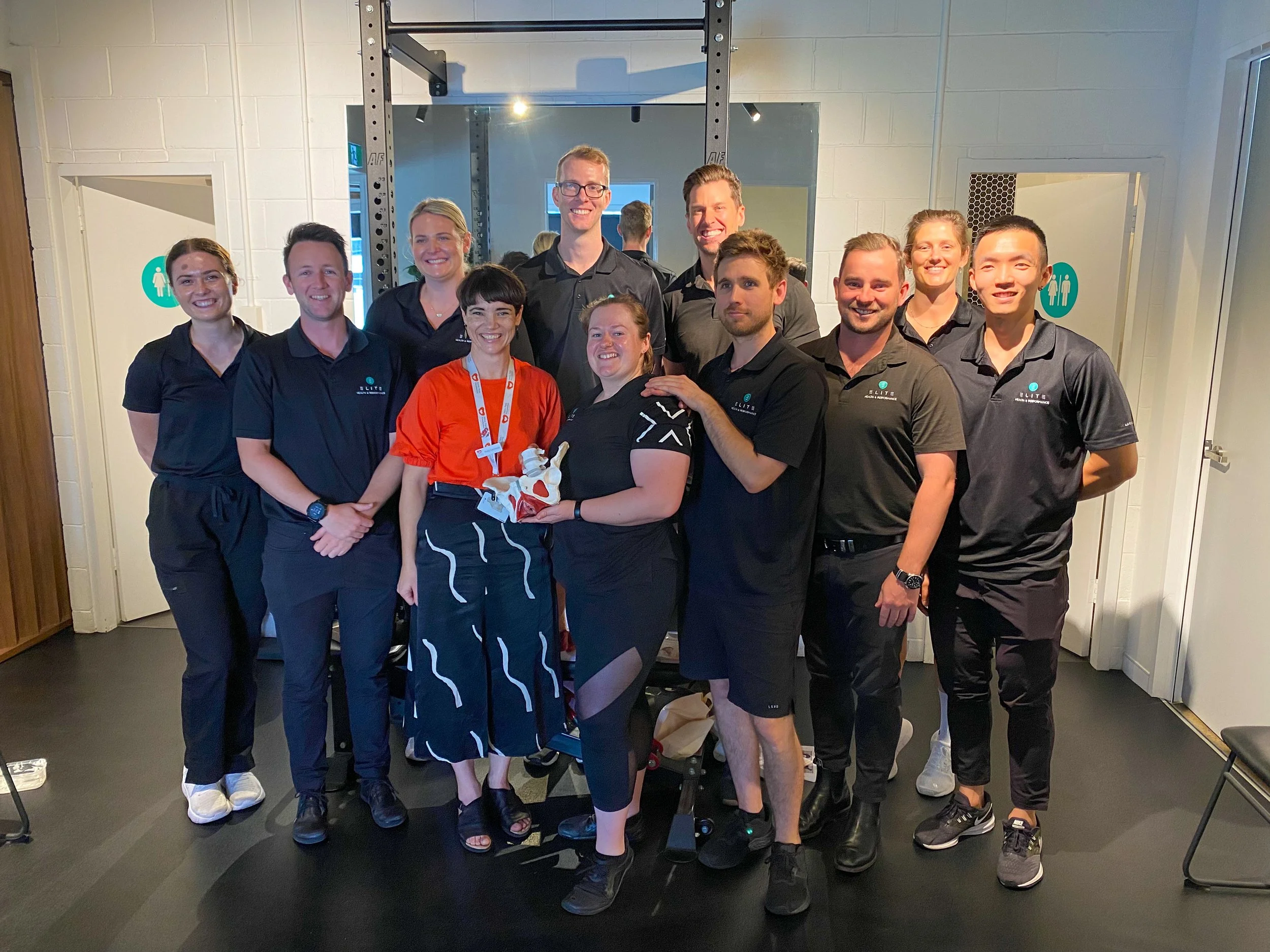
Players Program
For players, we've designed a presentation packed with crucial insights into period pain, pelvic pain, endometriosis, and the interplay between menstrual cycles and training.
The program aims to:
Explicitly educate athletes on how different phases of the menstrual cycle affect the body, including energy levels, pain sensitivity, strength, coordination, recovery, and injury risk. The program builds player knowledge of the menstrual cycle and cycle tracking, empowering athletes to understand their bodies and use this insight to make informed training, recovery, and performance decisions.
Aid players in distinguishing between normal and abnormal pain experiences.
Equip players with practical, age-appropriate strategies and tools to manage period and pelvic pain, supporting confidence, comfort, and continued participation in training and competition.
Expand player awareness of endometriosis, its potential manifestations, and guide them on navigating the healthcare system for effective pain control.
Boost mental health and overall well-being.
Coaches Program
For coaches and support figures (parents, team managers, board members, etc.), we provide a session loaded with practical tools to keep young athletes in the game and guidelines for fostering period-positive sports environments.
The program aims to:
Enhance coaches’ understanding of the physiological changes that occur across the menstrual cycle, including how hormonal fluctuations can influence strength, endurance, coordination, pain sensitivity, recovery, and injury risk.
Demonstrate how menstrual cycle awareness can be used to inform and tailor training, recovery, and athlete support strategies in order to optimise wellbeing, reduce injury risk, and support sustained participation in sport.
Build awareness of period and pelvic pain and equip coaches with practical strategies to support athletes to manage discomfort and remain engaged in sport.
Elevate the overall player availability within the team.
Equip coaches and supporters with the strategies to effectively manage pelvic pain, thereby reducing training and performance disruptions.